Song Meaning
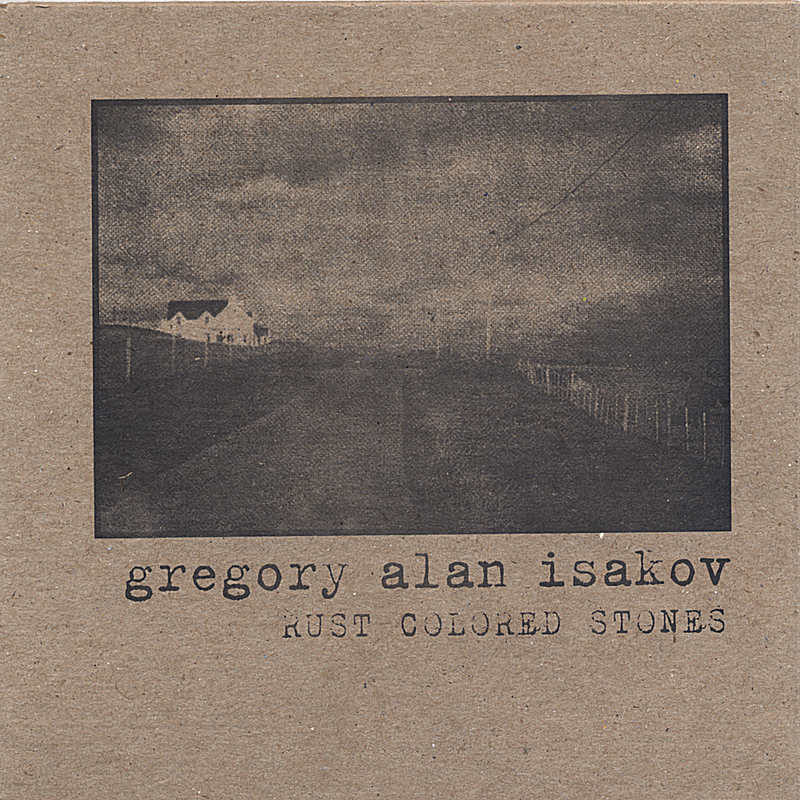
February arrives, and the narrator feels a sense of stagnation, describing themselves and others as "rust-colored stones." There's a profound weariness, a desire to trade conscious thought for oblivion, even if it's just "an hour of sleep in the snow." This yearning for escape is amplified by a persistent internal landscape – a "western sky" and a "dust storm" that seem to dictate a need for movement, a compulsion to "move."
The core tension lies between this imposed, almost involuntary urge to "move" and the paralyzing inertia of the season and their current state. The imagery of marching with "frozen hands and bones" and stomping feet in doorways suggests a collective, almost desperate attempt to break free from the cold and stillness. Yet, the question "When will they ever fall?" regarding their "dancing feet" reveals an underlying uncertainty about whether this movement is truly liberating or just a futile, cyclical struggle.
The most striking craft element is the juxtaposition of the bleak, heavy imagery of winter and stagnation with the unexpected appearance of "dancing feet" and "dancing shoes." This contrast highlights the narrator's internal conflict: a desire for lightness and expression against the crushing weight of their circumstances. The repetition of "I don't know" underscores the lack of resolution, leaving the listener with a sense of unresolved longing and persistent, perhaps unfulfilled, motion.
This lyrical passage resonates because it captures a specific, relatable feeling of being stuck yet compelled to act. The carefully chosen images, from the "rust-colored stones" to the "blue flowers" that spark a memory, ground the abstract feeling of weariness in concrete, evocative details. The ending, with its unanswered questions, leaves a powerful impression of a struggle that continues, a dance that may never find its end.
 View Artist