Song Meaning
The lyrics paint a picture of a solitary walk by a clear fountain, a moment of simple pleasure that quickly turns inward. The narrator finds the water so beautiful they decide to bathe, a refreshing act that contrasts sharply with the emotional weight that follows. This initial scene of natural beauty sets a serene stage, but the recurring refrain, "Il y a longtemps que je t'aime, Jamais je ne t'oublierai" (I have loved you for a long time, I will never forget you), hints at a deeper, enduring sentiment.
The core tension arises from a profound sense of loss and regret, directly linked to a past romantic relationship. The narrator contrasts their own sorrowful heart with the cheerful song of a nightingale, a poignant juxtaposition. While the bird sings with a "heart full of joy," the narrator's heart is "full of tears." This highlights the personal grief that overshadows the natural world's simple beauty, suggesting an internal landscape far removed from the external serenity.
The most striking element is the narrator's explanation for losing their love: "Pour un bouquet de roses que je lui refusais" (For a bouquet of roses that I refused her). This seemingly small act of refusal led to a devastating loss, a detail that amplifies the sense of tragic irony. The narrator wishes the rose were still on the bush and their beloved still with them, underscoring the irreversible nature of their mistake and the enduring ache of what could have been.
This song's power lies in its delicate portrayal of regret and lasting affection. The simple, almost childlike language, combined with the stark contrast between the serene setting and the narrator's deep sorrow, creates a resonant emotional effect. The specific, almost mundane reason for the loss—refusing a bouquet of roses—makes the enduring pain feel intensely personal and relatable, capturing how small moments can lead to lifelong heartache.
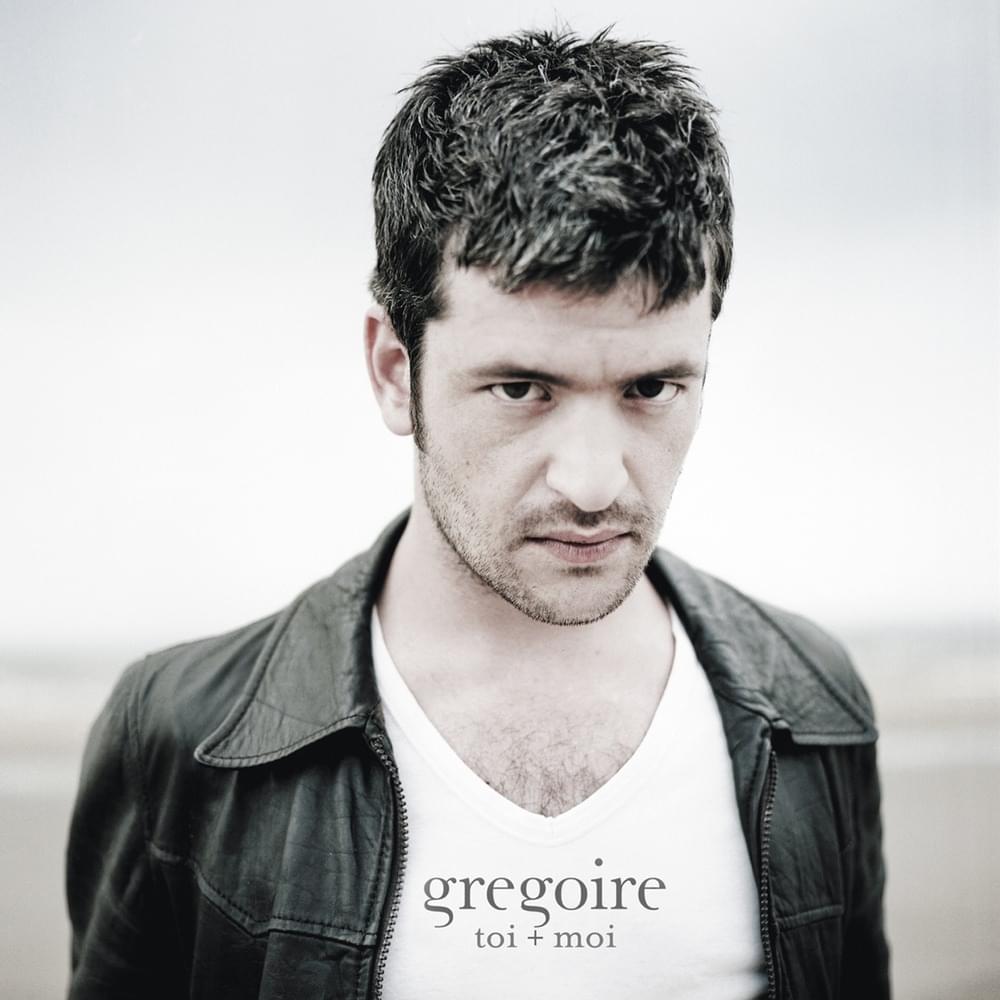
 View Artist