Song Meaning
The narrator opens with a disarming sincerity, immediately admitting a fundamental indecision about the person before them. They are "lovely," yes, but the heart "cannot make up its mind why you're here." This sets up a central tension: an attraction that's present but deeply conflicted, preventing genuine connection. The invitation to "sit there if you've nothing to do" feels less like an invitation and more like a passive observation, highlighting the narrator's emotional distance even while confessing a kind of love.
The core conflict lies in the narrator's inability to commit, oscillating between a stated affection and a profound need for freedom and distance. They claim "I'm so very much in love but not too very much with you," a contradictory statement that perfectly encapsulates their wavering state. The recurring phrase "All I need is what I see" or "what I feel" suggests a focus on immediate sensation rather than lasting connection, and the constant refrain "I'm free when I'm away from home" or "Not like at home" points to a deep-seated restlessness that prevents them from fully engaging with the present moment or person.
One of the most striking craft elements is the narrator's self-awareness of their own performance. The lines about encores and applause – "pretending to end for applause" – reveal a meta-commentary on artificiality. This suggests the narrator views romantic interactions as a kind of show, one they are reluctant to fully commit to, especially when it feels staged or requires a definitive conclusion. The repeated forgetting of the person's name, "I've forgotten again," further underscores this detachment, making the interaction feel fleeting and ultimately insubstantial.
Ultimately, these lyrics resonate because they articulate a very specific kind of emotional paralysis. The narrator is caught between a desire for connection and an overwhelming need for self-preservation and freedom, leading to a performance of affection that feels hollow. The final lines, "the song didn't give me much time to dream," encapsulate this feeling of missed potential and the ephemeral nature of the encounter, leaving the listener with a sense of poignant, unresolved longing.
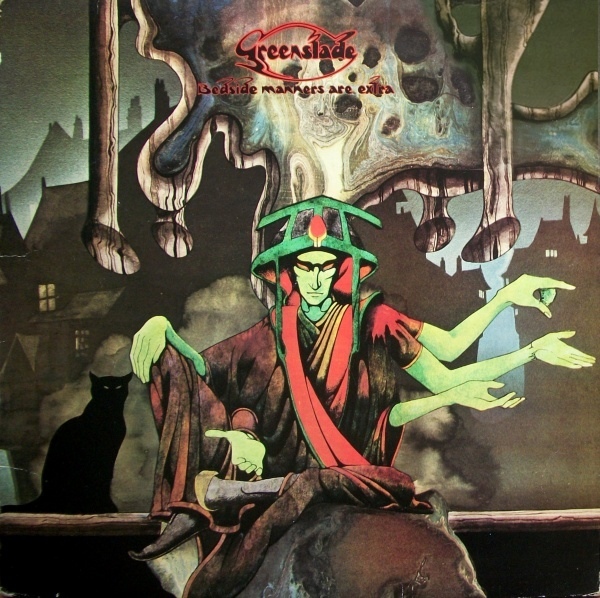
 View Artist