Song Meaning
The lyrics paint a stark picture of isolation and a desperate longing for a past that felt more stable. The narrator is trapped in a cycle of despair, stumbling through their home with a profound sense of being uncared for. This feeling is amplified by a physical ailment, suggested by "change in my hands" and "Dinner it flows through a tube," which further isolates them and makes them feel vulnerable. The repetition of "No one to care about" hammers home the depth of this loneliness.
The central tension lies in the futile hope for external rescue versus the crushing reality of its absence. "Help is on the way" is a recurring promise, but it's immediately undercut by "Always comes too late." This creates a painful irony, as the narrator's situation deteriorates while waiting for aid that never arrives in time. The phrase "My time is wasting away" underscores the urgency and the growing despair that this delay breeds.
The most striking aspect of the writing is the raw, almost clinical depiction of physical and emotional decay. The narrator admits to "burying my head in the sand" and a fear of being "find out who I am," suggesting a deep-seated shame or a desire to hide their current state. The contrast between the internal suffering and the external indifference – "But nobody gives a damn" – is particularly potent, highlighting the profound disconnect between the narrator's experience and the world around them.
Ultimately, these lyrics resonate because they articulate a specific kind of existential dread: the feeling of being left behind and unseen during a personal crisis. The repeated refrain of longing for "yesterday" isn't just nostalgia; it's a yearning for a time before the current suffering, before the help was too late, and before the world seemed to stop caring. The final, almost pleading question, "Do you know what I mean?" seeks validation for this intensely private pain.
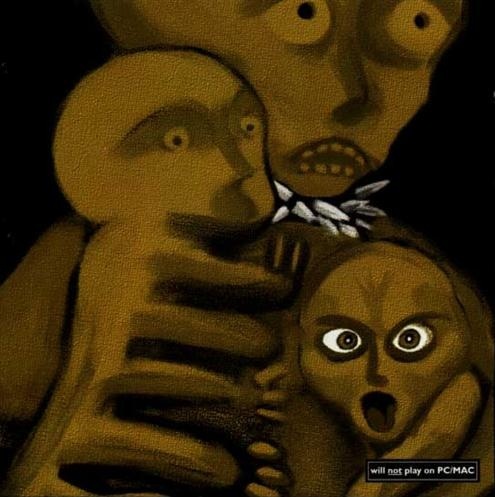
 View Artist