Song Meaning
The lyrics paint a picture of quiet resilience, a narrator acknowledging the everyday struggles while holding onto a hopeful anticipation for the future. There's a gentle acknowledgment of tough days, but the overriding sentiment is one of enduring strength, believing that tomorrow will bring a fresh start. The simple declaration, "そうだね今日も晴れだ" (That's right, it's sunny today too), grounds this hope in the present moment, even amidst potential difficulties.
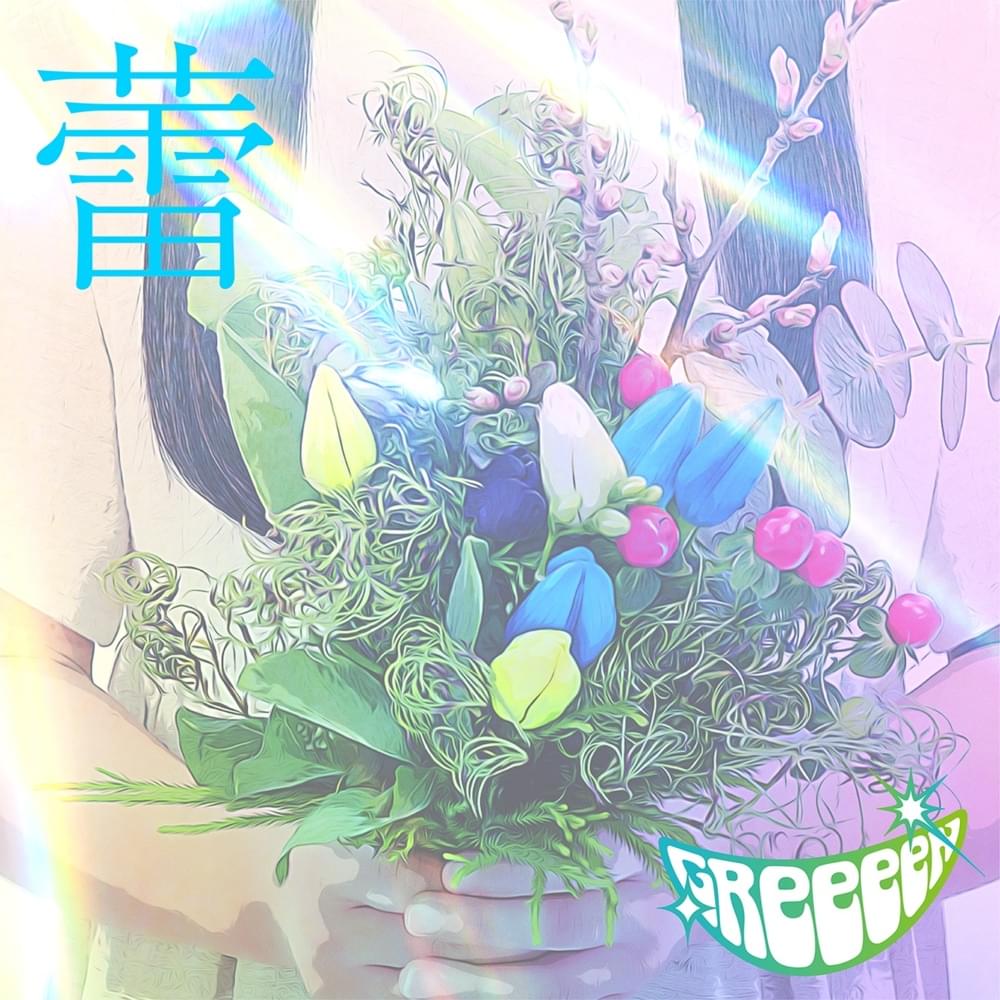
This hope is intrinsically linked to the changing seasons, specifically the arrival of spring. The imagery of snow melting and the call of spring signifies a natural, inevitable progression towards renewal. The core metaphor revolves around the "蕾" (tsubomi) – the flower bud – which represents potential and the promise of blooming. The narrator directly connects their own journey to this natural cycle, questioning "私も一つの花でしょう" (I must be a flower too), suggesting a belief in their own eventual blossoming.
The lyrics grapple with the nature of this waiting period. The question, "閉ざしたそれは はばむためなのか / それとも美しい花 守るためなのか" (Is it closed to obstruct / Or to protect the beautiful flower?), probes the purpose of the bud's enclosure. It seems to suggest that the challenges and the waiting are not just hindrances but potentially protective measures, allowing for growth and preservation before the full bloom. This internal questioning adds a layer of thoughtful contemplation to the song's hopeful outlook.
The effectiveness of these lyrics lies in their delicate balance between vulnerability and unwavering optimism. The narrator doesn't shy away from acknowledging sadness or loneliness, as seen in "淋しくなったら 手紙を書くから" (If I get lonely, I'll write a letter). Yet, this vulnerability is consistently framed by the powerful, recurring image of the buds opening and the certainty of spring's return. This creates a deeply resonant message of enduring hope, where personal growth is seen as an inevitable, beautiful unfolding, much like the flowers that will eventually grace the "白い空" (white sky).
 View Artist