Song Meaning
The lyrics paint a picture of someone feeling stuck, comparing themselves unfavorably to peers who seem to have it all figured out. There's a palpable sense of inadequacy, with the narrator lamenting their perceived failures and the pressure to define themselves. This initial feeling of being lost is amplified by an external demand to articulate strengths and weaknesses, a task that feels overwhelming and impossible within the confines of a classroom or a small piece of paper. The narrator grapples with the idea that they themselves have been the architect of their limitations, setting arbitrary boundaries on what is possible.
The core tension arises from the internal struggle against self-imposed limitations and the external pressure to conform or define oneself. The narrator feels trapped by past decisions and a fear of failure, symbolized by the "closed textbook" and the lesson that "losing is losing." This leads to a desire for change, a yearning to break free from the "disliked self" and become someone capable of protecting others. The repeated question, "What do you want to be?" becomes a catalyst for this internal conflict, highlighting the difficulty of answering when one is still actively trying to discover their true desires.
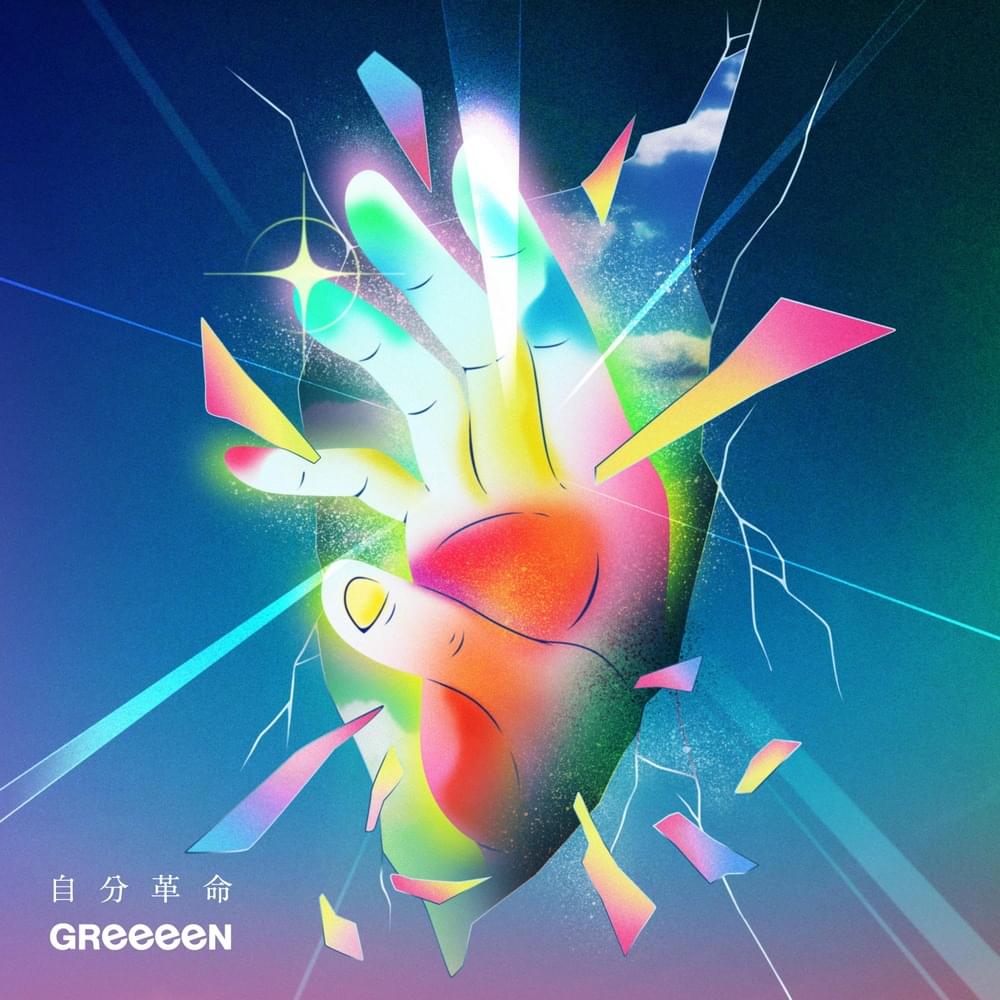
The most striking aspect of the writing is the powerful declaration of "自分革命" (Jibun Kakumei – Self Revolution). This isn't just a passive wish; it's an active, "revolutionary action" that the narrator feels compelled to undertake. The lyrics shift from a place of resignation and self-doubt to a determined stance, even if the exact destination is unclear. The phrase "嘘だけつけなくて" (I just can't lie) underscores the raw honesty driving this change, a refusal to pretend anymore, even if it means struggling in the process. This internal shift, from "this won't do" to a "self-establishment declaration," is the emotional engine.
Ultimately, these lyrics resonate because they capture the universal feeling of being overwhelmed by expectations and the daunting prospect of self-discovery. The narrative arc from feeling inadequate and lost to actively initiating a personal revolution, however uncertain, offers a sense of catharsis. The raw admission of struggle and the defiant call to action, even without a clear roadmap, speaks to the courage required to confront one's own limitations and strive for a better version of oneself, a "highest in my own history."
 View Artist