Song Meaning
This song paints a picture of resilience amidst struggle, opening with a stark contrast between a "fought story" and a "crying blue sky," immediately juxtaposed with the "start of my life" and a "your smile." It acknowledges the pervasive sadness many face, where tears become normalized and even faint light is left behind as time marches on. The lyrics suggest a societal pressure to conform to ideals, with a harsh "textbook" definition of failure for those who don't measure up.
The core tension lies in the narrator's internal battle to hold onto their convictions. They recall a past self who believed in a specific "justice," yet felt isolated and wept alone, questioning if that belief was truly "wrong." This internal conflict is amplified by the understanding that pain and tears are inherent, something everyone carries and must learn to mask with a smile, as "resetting" is impossible.
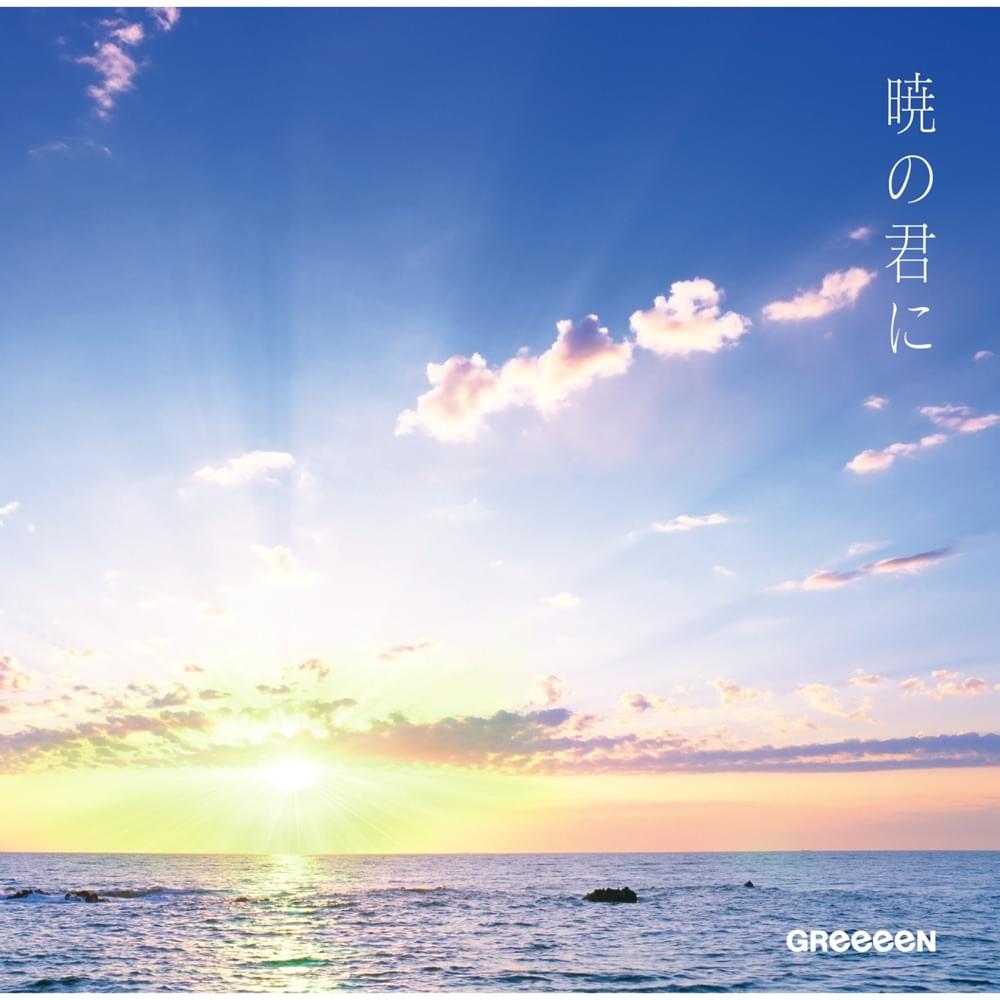
A striking image is the "day and night horizon," representing the passage of time and the narrator's self-perception as a "previous you." This is further developed with the idea of searching for "you" at dawn, the "Akatsuki no boku" (me of the dawn). The lyrics propose that even in deep darkness, eyes can adjust to perceive faint stars, each one a source of illumination, guiding the narrator toward their "true feelings."
The ultimate effectiveness of these lyrics stems from their grounded portrayal of hope. The dawn is presented not as an absence of night, but as its natural consequence, a reminder that "yesterday and tomorrow" are separated by a fleeting moment. The narrator's fight is fueled by "expectation, hope," recognizing that betrayal and despair are simply the flip side of these same coins. The concluding lines urge both past and future selves to move forward, to take that crucial step beyond the dawn, in search of "you."
 View Artist