Song Meaning
The narrator paints a stark picture of a man who abandoned his family in Baltimore for a fleeting connection, only to find himself adrift and returning to the same place where he found that temporary solace. The opening lines immediately establish a sense of irreversible departure, a choice made on a "ride" that led to a permanent absence. This isn't just a physical journey; it's a descent into a restless state, likened to a "river that don't know where it's flowing," emphasizing a lack of direction and control over his own path. The repetition of "I went out for a ride and I never came back" hammers home the finality of his decision and the profound impact it has had.
The core of the song lies in the recurring refrain, "Everybody's got a hungry heart." This isn't just about romantic desire; it seems to speak to a deeper, universal need for something more, a dissatisfaction that drives people to seek fulfillment, often in ways that cause pain. The narrator's own actions – leaving his family, pursuing a transient love – are presented as manifestations of this universal hunger. The phrase "Lay down your money and you play your part" suggests that these pursuits often come with a cost, a transactional element where one invests in the hope of satisfaction, even if it means playing a role.
The lyrics powerfully convey the cyclical nature of this dissatisfaction. After leaving his family, the narrator finds love again in "Kingstown," but even this connection is acknowledged as doomed from the start: "I knew it had to end." The act of taking "what we had, we ripped it apart" highlights a self-destructive tendency, a pattern of dismantling happiness rather than preserving it. His return to "Kingstown again" underscores the futility of his search; he's trapped in a loop, seeking an answer in the same places that offered only temporary distraction.
What makes these lyrics resonate is their unflinching portrayal of a common human struggle. The narrator isn't necessarily a villain, but a figure caught in the grip of an internal drive he can't control. The simple, almost folk-like language, combined with the insistent repetition of the chorus, creates a sense of shared experience. The lines "Everybody needs a place to rest / Everybody wants to have a home" further complicate the narrator's actions, suggesting that even as he abandons stability, the fundamental human desire for belonging remains, a poignant contrast to his nomadic, self-imposed exile.
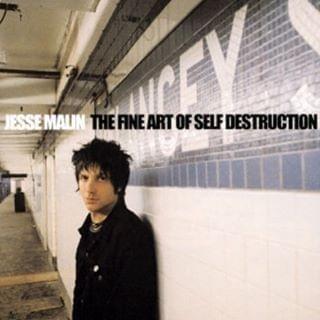
 View Artist