Song Meaning
Grazia Di Michele's "Ho Visto Gente" unfurls as a series of stark observations, a panoramic view of humanity caught in cycles of disillusionment and self-deception. The title, translating to "I've Seen People," immediately sets the stage for a detached, almost anthropological study of the human condition. Di Michele isn't just narrating; she's holding up a mirror, reflecting back the behaviors and rationalizations we often employ to navigate the complexities of modern life. The song meaning resides in its unflinching portrayal of people lost in routine and anesthetized by habit.
The recurring motif of 'seeing' underscores the narrator's role as a witness, someone who observes without necessarily intervening. The people she sees are trapped: emerging 'from the cinema of smoke,' building walls between past and present, filtering 'boredom' through 'corridors and funnels of light.' These images are potent symbols of alienation and the search for meaning in a world that often feels devoid of it. The mention of autumn and the 'warm temptation of lethargy' speaks to a universal desire for comfort and escape, even if it means sacrificing vitality. The reliance on 'tranquilizers to conquer insomnia' highlights a society struggling with anxiety and the inability to find peace within itself.
Ultimately, "Ho Visto Gente" is a commentary on the human tendency to settle for a life of muted experiences, justified by a 'lack of imagination.' This 'lack of imagination' isn't just a personal failing but a societal one, a collective acceptance of the status quo. The repetition of this phrase at the end emphasizes its significance, suggesting that the greatest tragedy isn't necessarily suffering, but the failure to envision and strive for something more. Di Michele's lyrics analysis reveals a world where people walk with 'eyes closed' on a 'reassuring circuit of consolidated habits,' choosing the safety of the familiar over the risk of genuine experience. The song is a quiet, yet powerful indictment of complacency and a call for a more conscious and imaginative existence.
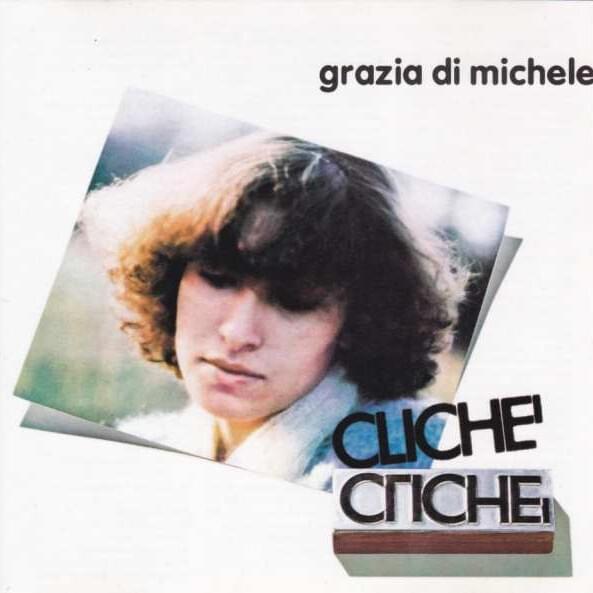
 View Artist