Song Meaning
The lyrics present a stark dichotomy between a group, referred to as a "pack of pigs," and a solitary narrator. The narrator asserts a series of powerful rights – to speak, to die, to strangle, and to choose – immediately contrasting them with the pack's perceived base desires and lack of individual agency. This sets up a core tension: the narrator's assertion of selfhood against the backdrop of a collective driven by instinct and conformity.
The central conflict emerges from the narrator's act of "playing beads" in front of this "pack of pigs." The act of playing with beads, often associated with intricate, perhaps intellectual or artistic pursuits, is juxtaposed with the pack's simple, primal urges: to drink, to eat, and to live. The pack has its own law and leader, suggesting conformity and a lack of critical thought, while the narrator possesses a "groan" and "rain," hinting at inner turmoil and perhaps a more profound, albeit melancholic, emotional landscape.
The most striking craft element is the relentless repetition of the phrase "I play beads in front of a pack of pigs." This refrain hammers home the narrator's isolation and the perceived futility or defiance of their actions. The contrast between the refined, almost delicate image of playing beads and the vulgarity of the "pigs" creates a powerful, unsettling image. The narrator's declaration of their own rights in the first verse, followed by the repeated assertion of their unique activity, emphasizes a deliberate, almost defiant, separation from the collective.
This lyrical construction is effective because it taps into a feeling of alienation and the struggle to maintain individuality in the face of overwhelming conformity or perceived vulgarity. The narrator's actions, though potentially misunderstood or ignored by the "pack," are presented as a core part of their identity and a form of self-expression. The stark, almost aggressive, language used to describe both the pack and the narrator's rights creates a visceral sense of conflict and defiance, making the narrator's solitary act of "playing beads" feel like a profound statement of existence.
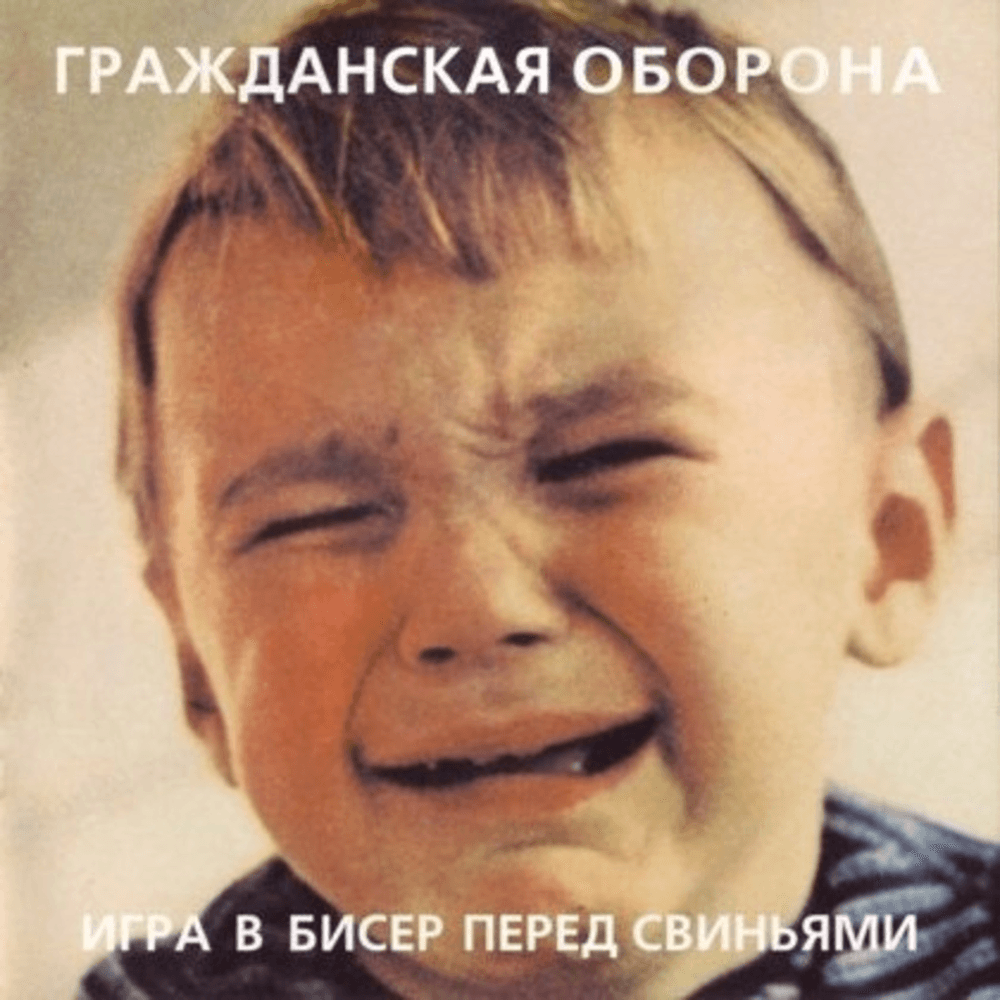
 View Artist