Song Meaning
The lyrics paint a stark picture of fractured connection, where a once-familiar presence is now a ghost. The narrator sees a "reflection" and a "shadow," but the person is a "stranger." This disconnect creates a palpable sense of unease, a feeling of being haunted by someone who is physically near yet emotionally absent. The immediate tone is one of disorientation and a desperate, almost masochistic, search for something to grasp onto.
The central tension lies in the narrator's internal struggle with this estranged figure. They question if this person can be an "enemy" or "disease," grappling with the desire to define the relationship, even if it's through negativity. The repeated plea, "you touch but you can't feel," underscores the profound emotional void. The narrator's own existence becomes uncertain: "I'm still here, you're still here; am I still here?" This existential doubt highlights the devastating impact of the other's emotional distance.
The recurring image of "drowning" is the most potent craft element, vividly conveying the feeling of being overwhelmed and suffocated by the situation. Holding one's "head down under" suggests a deliberate, albeit painful, submersion, perhaps a surrender to the despair. This is contrasted with the other person's perceived arrogance: "you think that you're so holy, you think you're breaking me in two." The narrator seems to weaponize their own misery, inviting it as a form of solace or defiance, as seen in "Cover me in misery, in anything."
This lyrical construction is effective because it taps into the universal experience of emotional alienation within proximity. The raw, almost violent imagery of drowning and disease, juxtaposed with the quiet desperation of being unable to feel or connect, creates a powerful emotional resonance. The ambiguity of the situation forces the listener to confront the pain of a relationship that has dissolved, leaving only a hollow echo and the suffocating weight of unspoken loss.
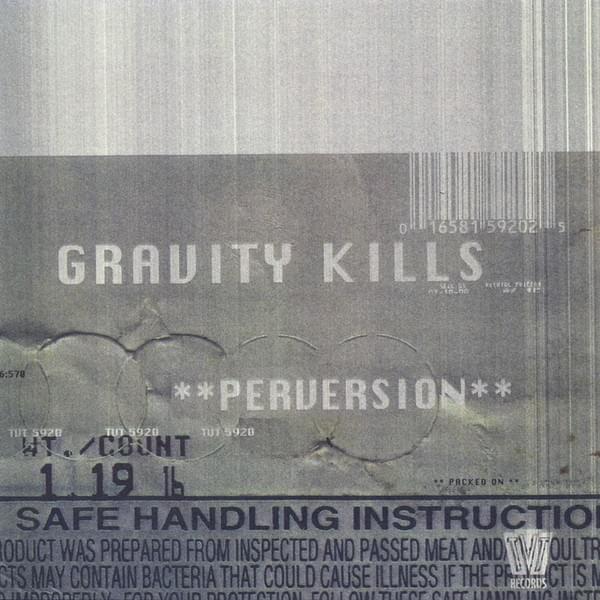
 View Artist