Song Meaning
The lyrics paint a picture of intense, vengeful confrontation, steeped in betrayal and a desire for retribution. The narrator declares they've "destroyed every sign of your life," immediately establishing a tone of absolute finality and animosity. This isn't just anger; it's a calculated erasure, a desire to obliterate any trace of the other person's existence. The phrase "Rot in hell, son of bastard rise" is a brutal curse, suggesting a deep-seated loathing and a wish for the target's utter damnation, even as they are urged to "rise," perhaps ironically.
The central conflict seems to be a battle against deception, both external and internal. The narrator claims "There is no lie that I can't survive," positioning themselves as resilient against the other's falsehoods. Yet, the repeated "Son of lies" and "We stroke the fear so deep" suggest the pervasive nature of this deceit, which has clearly impacted the narrator profoundly. The line "Your self-deception, killed by your god" hints at a spiritual or existential dimension to this conflict, where the target's own delusions have led to their downfall, perhaps even a divine judgment.
The craft here is stark and confrontational, utilizing sharp contrasts and declarations. The shift from "You tried to end my mind" to "I'll take your sign away / And bless my destiny" shows a powerful pivot from victimhood to agency. The narrator reclaims their fate, transforming what was meant to harm them into a source of personal empowerment. The repeated, almost chant-like "Son of lies" acts as a dark refrain, hammering home the core theme of betrayal and the deep-seated fear it generates.
What makes these lyrics so potent is their raw, unvarnished expression of rage and the desperate need for closure. The narrator isn't seeking reconciliation; they are seeking obliteration and a definitive end to the cycle of deceit. The final lines, "You have to die for me / I have to be the one / You have to be the last one," crystallize this desire for ultimate victory, framing their own existence as dependent on the other's final demise. It’s a chilling articulation of a relationship's absolute end, driven by a profound sense of injustice.
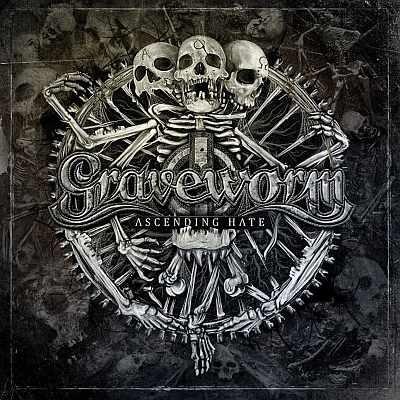
 View Artist