Song Meaning
The lyrics paint a stark picture of late-night regret and dawning comprehension. The narrator awakens in the "small hours" to a profound realization of their complicity in a destructive act. This isn't a sudden epiphany but a slow, painful understanding that settles in the quietest part of the night. The repetition of this realization emphasizes its weight and the narrator's inability to escape it.
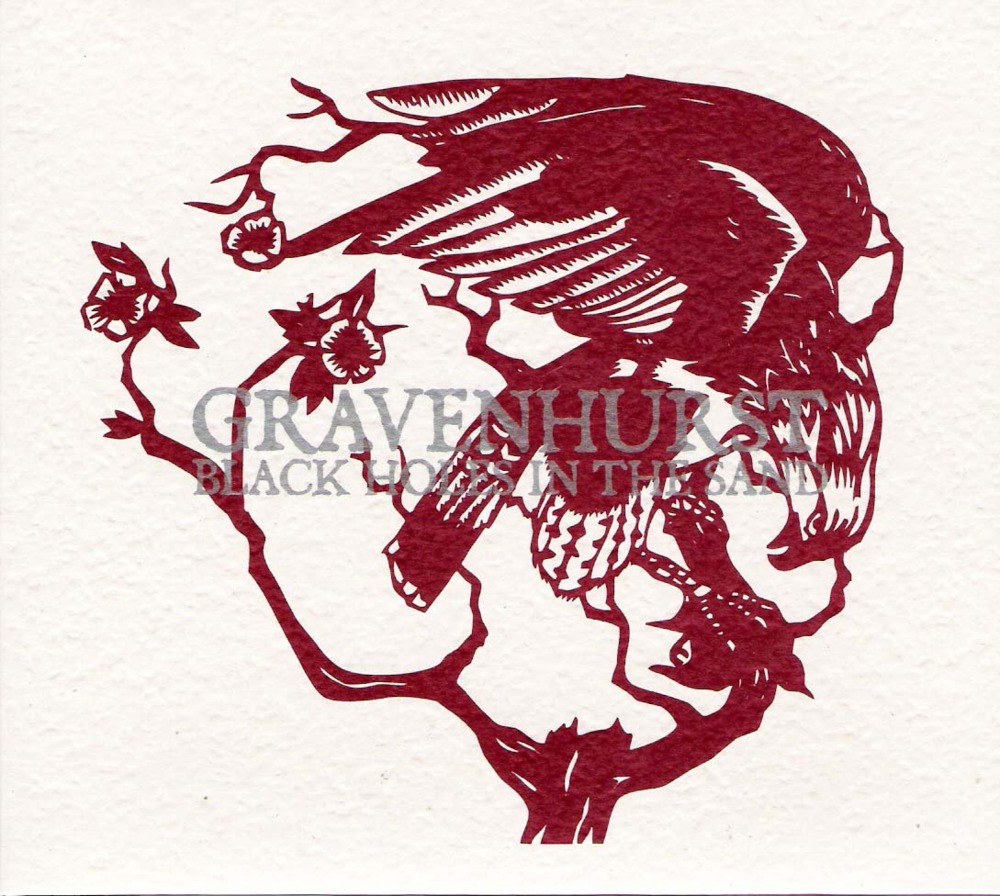
The core of the narrator's guilt lies in their passive involvement in a chain of events. They "held the hand that threw the stone," a phrase that suggests a direct but perhaps reluctant connection to the action. This stone, in turn, led to the death of a bird, which then "woke the city." The cascading effect implies that a small, seemingly contained act has far-reaching, disruptive consequences, and the narrator feels responsible for initiating it.
This sense of detachment from the consequences is further highlighted by the imagery of sensory deprivation. The narrator "could not feel the flower in my hand," indicating a loss of connection to beauty or gentleness, while simultaneously being oblivious to the instability beneath them, unable to "feel the cracks beneath my feet." The final image, "black holes in the sand," evokes a feeling of emptiness, impermanence, and a void where something solid or meaningful should be.
The power of these lyrics stems from their precise, almost clinical description of guilt and its disorienting effects. The narrator isn't just sad; they are numb and disconnected, trapped in the aftermath of an action they enabled. The stark, unadorned language and the escalating imagery of destruction and void create a potent, unsettling portrait of moral reckoning.
 View Artist