Song Meaning
The lyrics paint a picture of a life lived on the edge, a frantic escape fueled by a desire for a specific kind of freedom. The chorus, with its "fast-lane life" and "highway screaming," establishes a sense of urgent movement, punctuated by fleeting stops at "truckstops." This isn't just travel; it's a deliberate performance of control, "cheatin, playing all the cards right," aimed at a "stand-off small town." The ultimate destination, "New Mexico," feels like a promise of acceptance or a fresh start, a place where the narrator hopes to be loved on their own terms.
The verse introduces a stark contrast, shifting from the external chaos of the road to an internal, almost spiritual crisis. The narrator questions their father, feeling overwhelmed by "rain" that could "drown" them, suggesting a deep sense of despair or guilt. Yet, a sudden turn towards "sunlight" offers salvation, presenting a choice between "heaven or colder." This internal struggle is further complicated by imagery of protection and performance: "a dress in her high heels, / He's here to protect her," which hints at complex relationships or perhaps a symbolic shedding of identity for safety.
The most striking element is the juxtaposition of the two sections. The chorus's brash confidence and performative defiance clash with the verse's vulnerability and existential questioning. The narrator seems to be seeking solace in the external thrill of the "fast-lane life" and the promise of "New Mexico," while simultaneously grappling with profound internal turmoil and a need for protection. This creates a tension between outward bravado and inner fragility, suggesting that the escape is as much about running from oneself as it is about reaching a destination.
Ultimately, the effectiveness of these lyrics lies in their ability to capture a specific kind of restless yearning. The "fast-lane life" isn't just about speed; it's a desperate attempt to outrun internal demons, with "New Mexico" serving as a potent, if perhaps illusory, beacon of hope. The contrast between the driving, almost reckless energy of the chorus and the introspective, almost religious imagery of the verse creates a compelling portrait of someone seeking salvation through motion and a change of scenery.
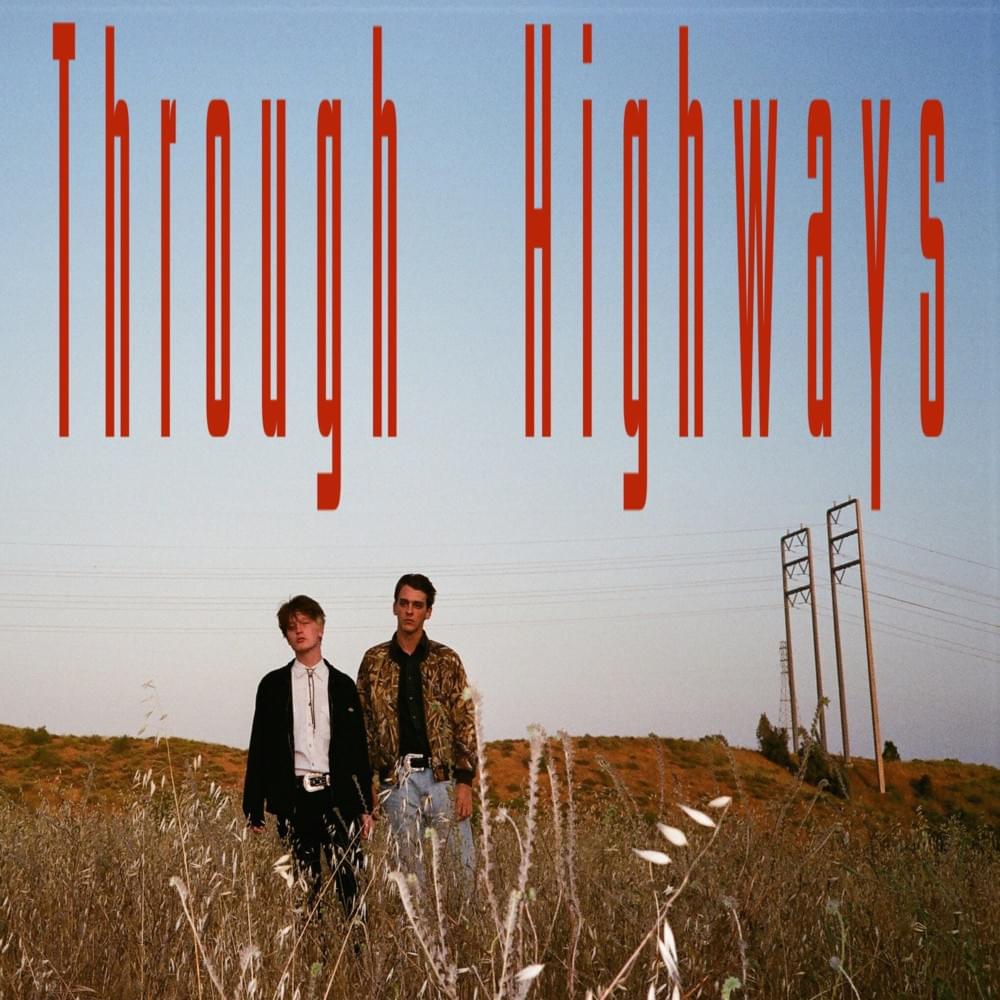
 View Artist