Song Meaning
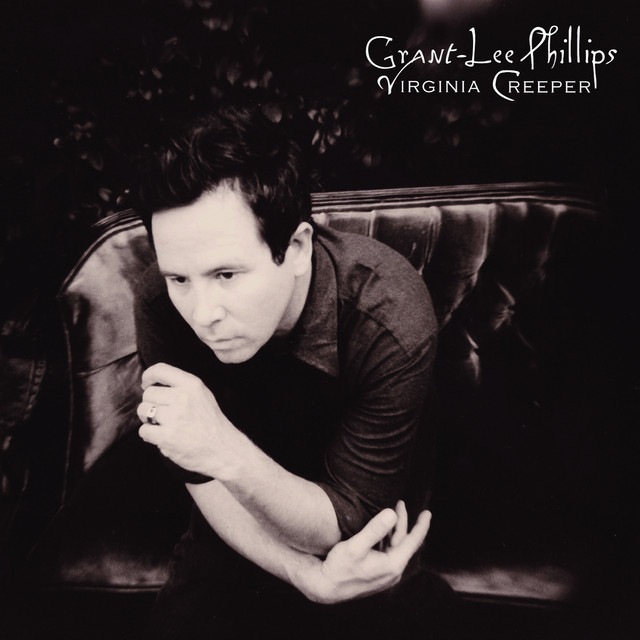
Grant-Lee Phillips' "Waking Memory" feels like a dispatch from the haunted American landscape, a place where folklore and anxiety intertwine. The opening lines evoke a journey into the unknown, a rural space where exaggeration reigns and the stakes are high: return with a story, or don't return at all. It's a clever setup, suggesting that the real story might be the one you *don't* tell, the experience that reshapes you beyond recognition. Phillips hints at suppressed truths, whispers carried on the wind, "Tom-tom rumors are pounding / Rustling in the leaves," suggesting a pervasive unease that's better left undisturbed. The reference to Johnny Appleseed is particularly sharp, twisting a symbol of American optimism into something insidious – a secret that spreads like a root system, unwanted and uncontrollable. The song meaning here rests on the tension between outward appearances and hidden realities.
The chorus, with its repeated declaration of being "always in my waking memory," acts as both a lament and an accusation. It suggests a persistent presence, an unshakeable image or event that haunts the narrator's conscious mind. The ambiguity is key: is this a loved one, a trauma, or a moral failing? The "always" lands with the weight of regret and the inability to escape the past.
The second verse plunges deeper into paranoia, hinting at an impending crisis: "Some new plague in the making / Best not bat an eye." This could be interpreted literally, as a commentary on contemporary anxieties about disease and disaster, or metaphorically, as a reference to a personal or societal breakdown. The line "No sleep for the living / When you're in a fire fight" reinforces the sense of constant vigilance and struggle. Ultimately, "Waking Memory" is a powerful exploration of how the past shapes the present, and how certain experiences can become permanently etched into our consciousness, forever altering our perception of reality. It's a song about the stories we tell ourselves, and the stories we try to forget, and the way those stories define us. Grant-Lee Phillips delivers a lyrical analysis that is both unsettling and deeply resonant.
 View Artist