Song Meaning
Grant-Lee Phillips' "Vanishing Song" isn't a protest anthem screamed from the barricades; it's a quieter, more insidious elegy for a world slipping away. The opening imagery – "timber swayed in the heavens, the waters rest, degrading smoke" – paints a picture of both natural grandeur and its slow decay. This juxtaposition immediately establishes the central tension of the song meaning: the beauty of existence shadowed by its impermanence. The "degrading smoke" isn't just literal pollution; it's the metaphorical erosion of memory, tradition, and a way of life. The repeated refrain of "vanishing song" acts as both a lament and a prophecy.
The middle verses, referencing "the drumbeat playing, the warm wind sing," evoke a sense of communal harmony and shared experience. "We would dance in time" suggests a past where individuals moved in synchronicity with nature and each other. This isn't a naive nostalgia; it's a recognition of a connection now fractured. The "vanishing life" extension of the chorus underscores the personal stake in this loss. It's not just abstract concepts fading; it's the lived reality of individuals who once thrived in this environment.
The final verse, with its cryptic lines "The hunt was just, and battles were few, this was the life we knew," hints at a moral justification for a disappearing world. Was the "hunt" sustainable, ethical, or simply necessary for survival? Were the "battles" truly few, or are we romanticizing a past riddled with conflict? Phillips doesn't offer easy answers. Instead, "Vanishing Song" lingers in the space between memory and reality, forcing us to confront the uncomfortable truth that even the most cherished aspects of our lives are ultimately transient. It's a poignant meditation on change, loss, and the enduring power of music to capture what's slipping through our fingers.
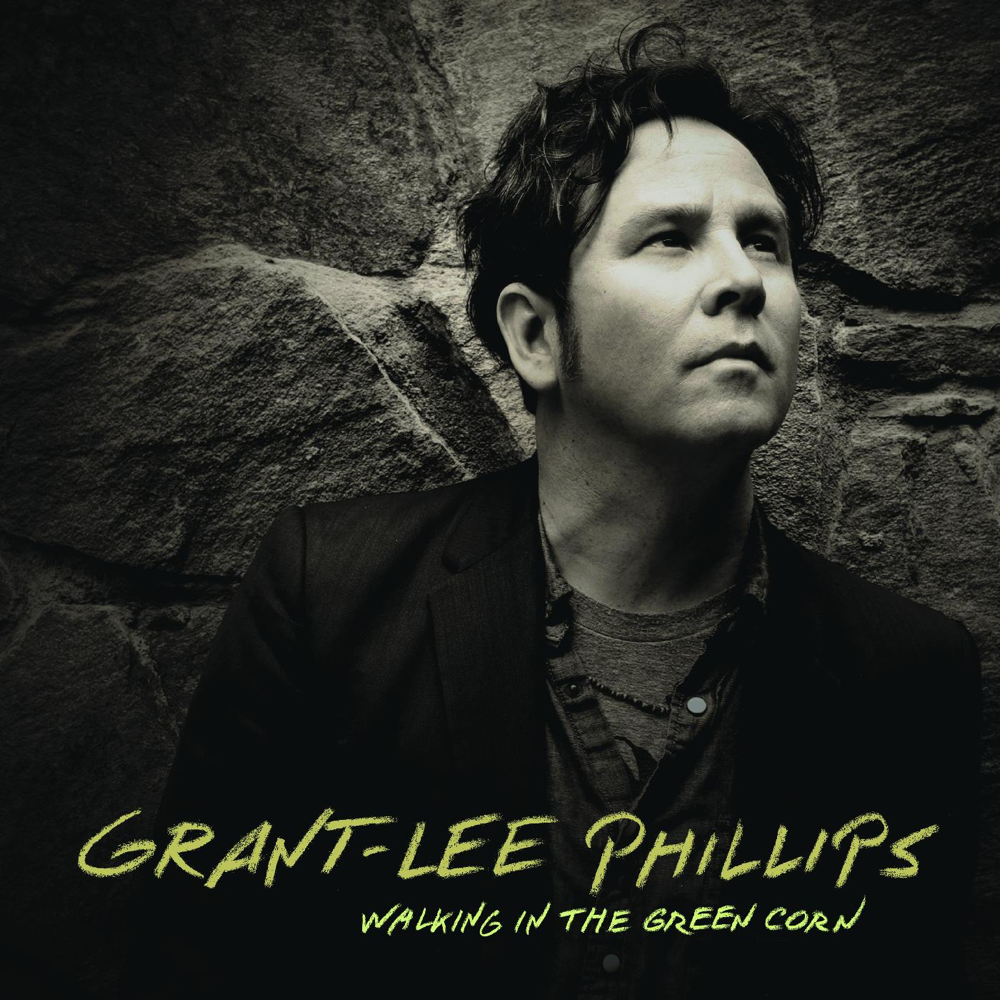
 View Artist