Song Meaning
The lyrics paint a picture of someone who believes they possess ultimate knowledge, a "Mr. Know-It-All." This figure is presented as an unassailable authority, someone who can answer any question and is never stumped. The narrator frames this individual as a king, with everyone else relegated to the status of "servants" in his "high court." This establishes a clear power dynamic, where the Know-It-All is at the apex, dispensing wisdom to those deemed to have "little minds."
The central tension arises from the narrator's apparent exasperation with this self-proclaimed genius. While the Know-It-All sees his role as "to educate you," the comparison to historical figures like da Vinci, Tesla, and Sartre suggests a subtle critique. By implying these titans of intellect weren't "all that smart" compared to the subject, the lyrics hint at a profound arrogance and a dismissal of genuine achievement in favor of the Know-It-All's own inflated self-perception.
The repeated phrase "Know-It-All" functions as both a label and a chant, emphasizing the inescapable nature of this personality. The lyrics cleverly use historical figures not to elevate the Know-It-All, but to ironically diminish them by association. The implication is that true greatness is being misunderstood or downplayed by someone who can't possibly grasp it, yet still positions themselves as the ultimate arbiter of intelligence.
Ultimately, the effectiveness of these lyrics lies in their sharp, almost sarcastic portrayal of intellectual vanity. The narrator doesn't directly confront the Know-It-All but instead uses exaggeration and pointed comparisons to expose the hollowness of such absolute certainty. It’s a commentary on the kind of person who believes they have all the answers, even when faced with evidence of history's greatest minds.
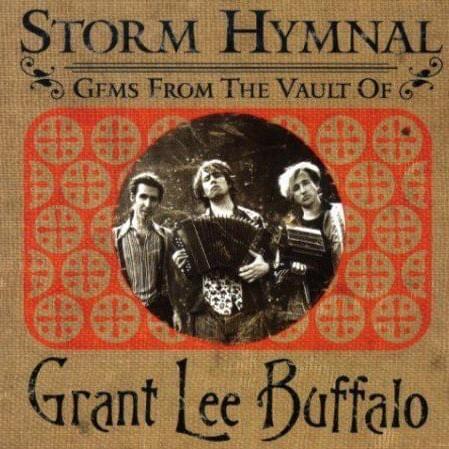
 View Artist