Song Meaning
The narrator is caught in a loop of regret, staring at a dinner plate and wishing they could undo past actions. The repeated phrase, "Trying to erase what can't be erased," underscores a profound sense of helplessness and the futility of dwelling on the unchangeable. This isn't just about a specific mistake; it's a broader commentary on the human tendency to obsess over the past, even when it offers no path forward.
The core tension lies between the desire for oblivion and the stark reality of memory. The narrator explicitly states, "I hate being alone," suggesting a desperate need for connection that might have led to the actions they now regret. The imagined scenario of someone driving by and laughing about their past attempts to "erase" highlights how even shared experiences of trying to forget become a source of painful reflection.
The imagery of a "lone dinner plate" is particularly striking, serving as a mirror reflecting the narrator's isolation and internal struggle. It's a mundane object imbued with the weight of their inability to move on. The contrast between this solitary reflection and the imagined shared laughter in the future emphasizes the gulf between their current despair and a potential, albeit ironic, future where even the attempts to forget are remembered.
Ultimately, these lyrics resonate because they tap into a universal feeling of wishing for a do-over, a desire to scrub clean the slate of our lives. The writing's power comes from its stark simplicity, using plain language and a driving, repetitive refrain to convey the crushing weight of inescapable memories and the quiet desperation of trying to outrun them.
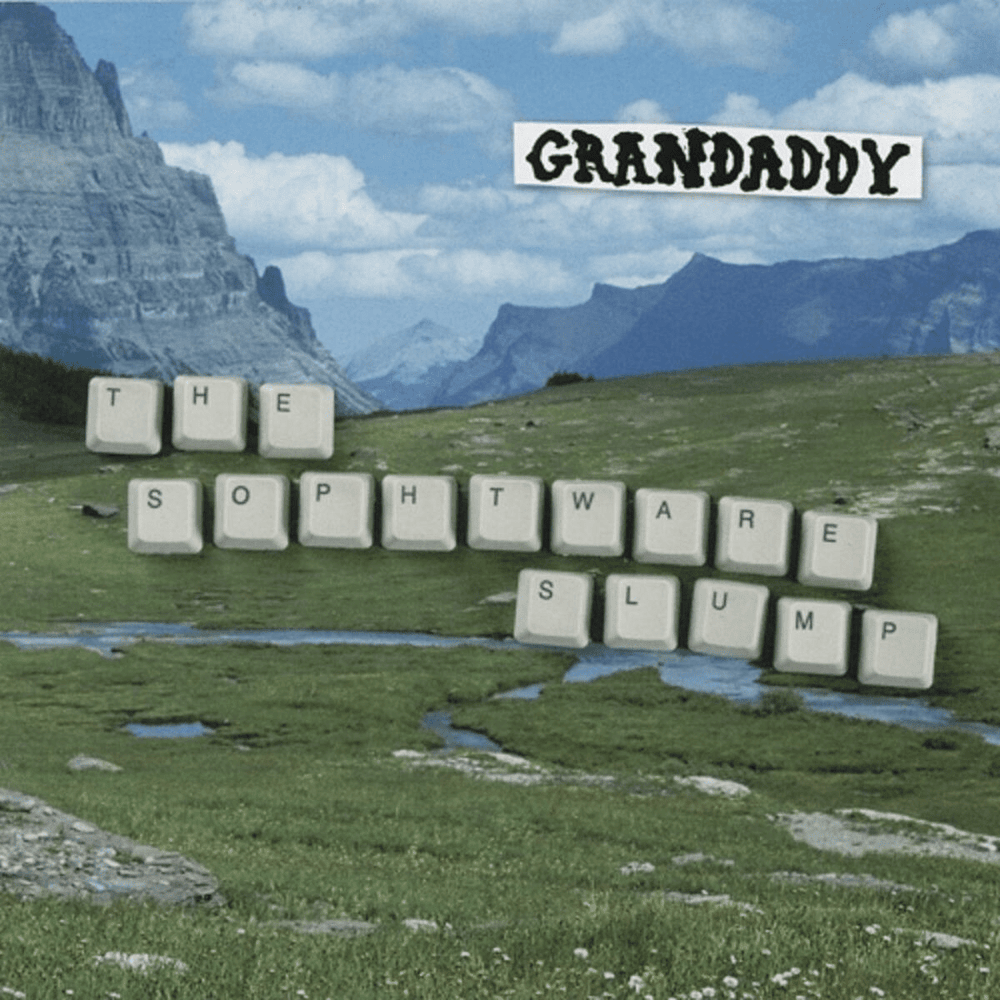
 View Artist