Song Meaning
The lyrics paint a stark picture of a couple on the run, a "songbird son" whose vibrant spirit is fading, and a "Hitchcock blonde" caught in a strange, almost detached reality. Their escape is framed by mundane, almost bleak details: a "canal bank night," a "glove box light," and a "runaway truck ramp" for a campsite. The "songbird" metaphor immediately suggests a natural talent or joy that is being suppressed or extinguished, especially as his "summer song died quiet."
The central tension lies in the loss of vitality and the forced silence. The narrator, or the "songbird son" himself, seems to have lost the ability or the will to express himself, encapsulated by the repeated refrain, "Message better left unsent / Don't say nothing." This isn't just about a secret; it's about a profound silencing, a loss of voice that mirrors the dying of his "summer song." The contrast between the potential for freedom implied by "on the run" and the internal stagnation is palpable.
The most striking craft element is the juxtaposition of cinematic imagery with mundane desperation. The "Hitchcock blonde" evokes a sense of suspense and glamour, yet she's on a "toothache diet" and dreaming of a "tanning bed." This surreal blend highlights the characters' disconnect from reality or their desperate clinging to artificial comforts amidst their perilous situation. The "chapter crash" and flashing "CHP lights" signal an inevitable, abrupt end to their flight, a violent punctuation to their quiet desperation.
Ultimately, the effectiveness of these lyrics stems from their ability to evoke a sense of melancholic inevitability and suppressed emotion. The "songbird son" becomes a poignant symbol of lost potential, his silence more deafening than any cry. The repeated, almost mantra-like phrases create a feeling of entrapment, suggesting that even if they escape the authorities, they cannot escape their own internal decay or the consequences of their choices.
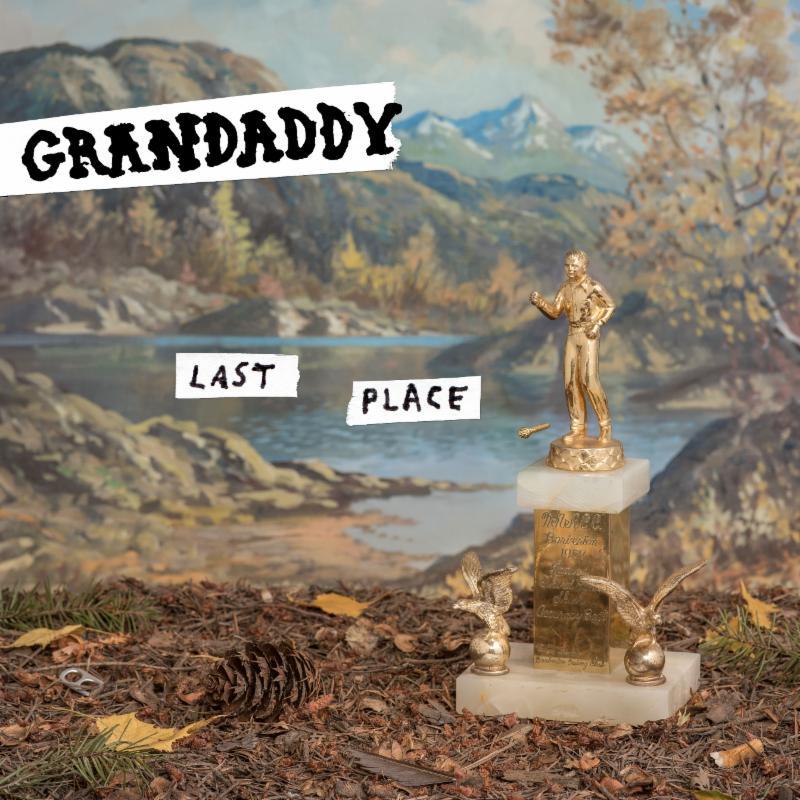
 View Artist