Song Meaning
The narrator feels an overwhelming sense of impending doom, a premonition of a "terrible accident" that feels almost fated. This dread is amplified by a life lived with "more plans than anyone who ever paid their rent," suggesting a frantic, perhaps reckless, pursuit of something beyond basic survival. There's a palpable tension between self-awareness – "I'm not stupid" – and a self-destructive pride, leading to a bleak conclusion that "I may as well die."
The lyrics grapple with a profound spiritual and existential crisis. The narrator questions divine attention, asking "Jesus are you watching or have you gone blind," as "evil souls are upon us." This isn't just personal struggle; it's a feeling of collective peril where time is running out. The repeated question, "can we ever stop payin' dues," becomes the central, agonizing refrain, a plea for release from a seemingly endless cycle of hardship and struggle.
The imagery of the graveyard, where the narrator is "not strong enough to jump the fence," powerfully conveys a sense of being trapped and overwhelmed, unable to escape even the symbolic boundaries of death. The comparison to others who "got more soul than both my shoes" highlights a feeling of inadequacy and a deep-seated insecurity about one's own worth and spiritual standing. This internal conflict is further emphasized by the narrator's awareness that they might be "workin' on a scene that I can never act," suggesting a disconnect between internal ambition and external reality.
Ultimately, the effectiveness of these lyrics lies in their raw, unvarnished portrayal of existential exhaustion and spiritual doubt. The narrator's defiant "I don't care because it's my right to win or lose" clashes with the persistent, haunting question about paying dues. This creates a compelling emotional landscape where hope and despair are locked in a perpetual, unresolved struggle, mirroring the feeling of being caught in a cycle with no clear end in sight.
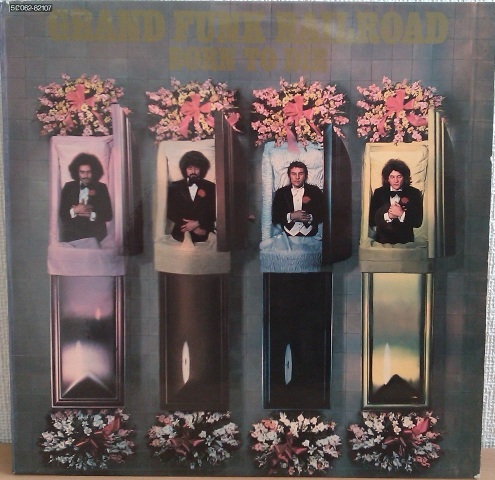
 View Artist