Song Meaning
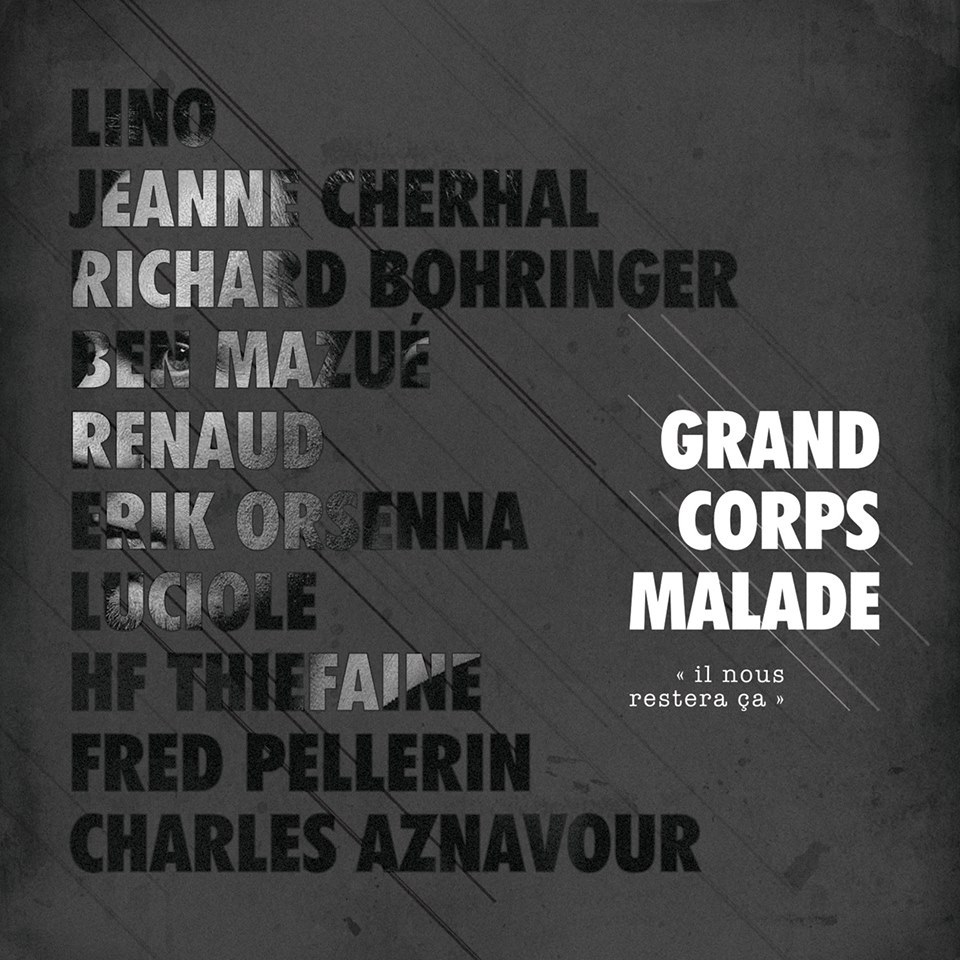
The lyrics to "Bleuette" paint a tender, deeply personal portrait of enduring connection. The speaker addresses a beloved "Loulou," reflecting on what will remain between them. It's a quiet affirmation of lasting love and shared history. The tone is both nostalgic and hopeful.
A core tension emerges from the acknowledgment of life's inherent duality. The speaker notes, "Des fois avec des malheurs, des fois avec des bonheurs," suggesting a relationship that has weathered both joy and sorrow. This isn't a naive love; it's one forged through experience, making the repeated assertion "Il nous restera ça" all the more powerful as a testament to resilience. The hope ("l'espérance") isn't blind but grounded in shared memory.
The lyrics masterfully blend simple, evocative imagery with profound declarations. Phrases like "images simples comme des cartes postales" conjure cherished, perhaps idealized, memories. This contrasts beautifully with the direct, vulnerable confession: "Tout ce qu'on se dit pas j'vais te le dire quand même / Je t'aime." This shift from shared nostalgia to an explicit, unspoken truth creates a powerful emotional punch, revealing a depth of feeling that transcends everyday communication.
What truly makes these lyrics hit hard is the speaker's unique expression of devotion, particularly through fantastical elements. The sudden inclusion of "Des chevaux fous et des grands feus avec des indiens frères" and the speaker's admission, "Je suis fou et j'invente des histoires à dormir debout," reveals a playful, almost childlike commitment to keeping the connection alive and memorable. This imaginative world-building, coupled with the tender "Mon beau cadeau, mon Noël à moi," underscores a love that is both deeply rooted in reality and joyfully unbound by it.
 View Artist