Song Meaning
The lyrics paint a stark portrait of a woman whose life revolves around the transient thrill of a nightlife scene, explicitly rejecting traditional domesticity. The narrator observes this with a mix of judgment and pity, contrasting the perceived emptiness of her chosen existence with the warmth of a "house filled with love." The repeated assertion that this "dim lights, thick smoke and loud loud music" lifestyle is the "only kind of life you'll ever understand" underscores a deep-seated, perhaps unchangeable, nature.
The central tension lies in the narrator's condemnation of the woman's choices, framing them as a rejection of a "husband that's true" and the potential for a "home lovin' man." This isn't just about having fun; it's presented as a fundamental incompatibility with stability and commitment. The narrator's "I'm sorry for you" suggests a belief that the woman is missing out on something essential, even if she herself doesn't recognize it.
The most striking element is the relentless repetition of the "dim lights, thick smoke and loud loud music" refrain. This creates an immersive, almost suffocating atmosphere, mirroring the environment the subject inhabits. It’s not just a backdrop; it’s the very language of her existence, the only world she comprehends. The phrase "honky-tonk heart" further solidifies this image of someone driven by a restless, perhaps superficial, desire for immediate gratification.
Ultimately, the lyrics resonate because they tap into a societal narrative about perceived "wasted potential" and the allure of a life lived outside conventional boundaries. The narrator's judgmental tone, while harsh, highlights the perceived cost of such a life – the sacrifice of deeper connection and lasting security for fleeting excitement. The writing effectively uses sensory details of the club to define a character and her perceived limitations.
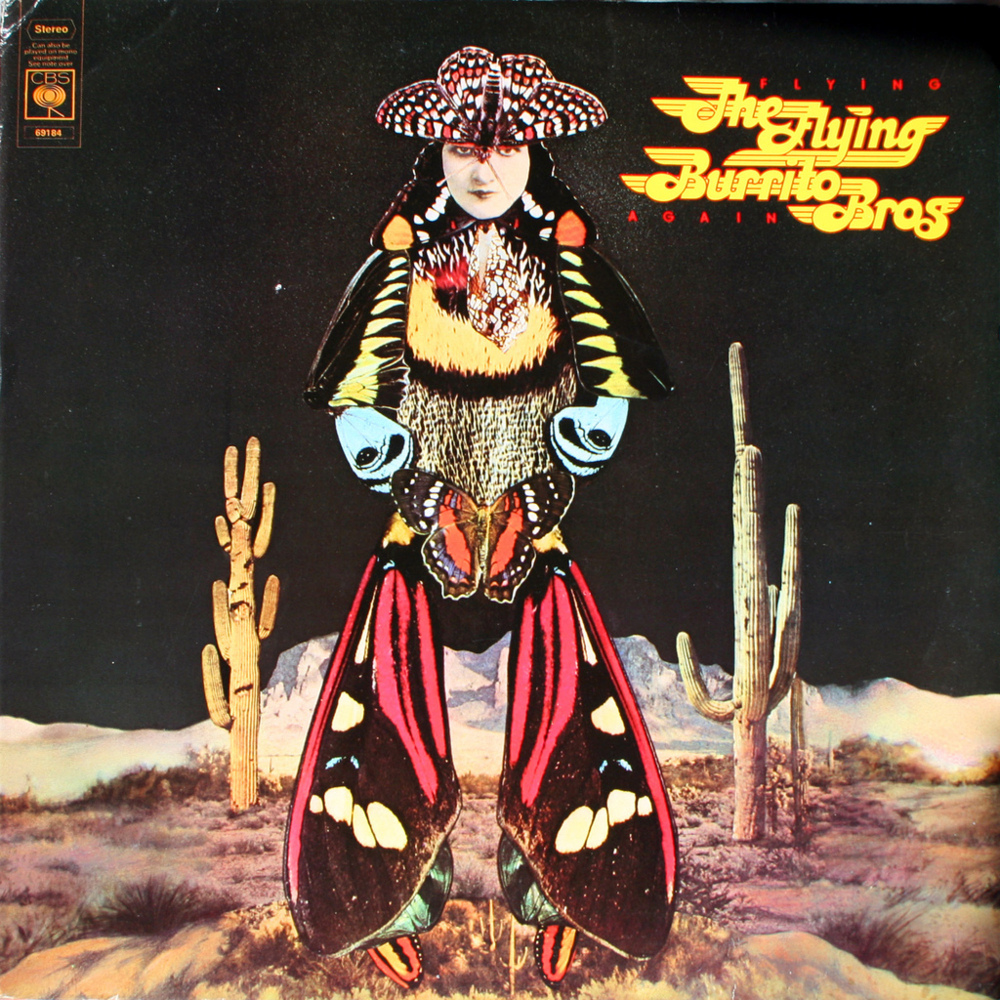
 View Artist