Song Meaning
Rick Springfield's "When the Lights Go Down" isn't just another power ballad; it's a masterclass in sonic deception, a carefully constructed narrative of emotional dissociation masked by catchy hooks. The song meaning burrows deep into the unsettling core of a relationship defined by fantasy and infidelity, where physical intimacy becomes a stage for imagined encounters. The opening lines, "What you don't know can't hurt you / What you can't see can't get in the way," establish a framework of willful ignorance, a conscious choice to remain blind to the disturbing truth. The darkness becomes a refuge, a space where boundaries blur, and reality distorts. But even in the shadows, cracks appear. The protagonist's unease is palpable: "I'm half awake, I can't come to / My hands start to shake / As you're shaking me down." This isn't just physical arousal; it's a violation, a stripping away of self as he senses his partner's detachment.
The chorus, a repetitive mantra of "When the lights go down," amplifies the song's central theme: the descent into a fabricated reality. It's a moment of surrender, a tacit agreement to participate in the charade. But the lyrics reveal the devastating cost of this deception. Lines like "What's on your mind isn't in your arms / What's in your hands isn't really mine" expose the chasm between physical presence and emotional connection. He's merely a stand-in, a prop in his lover's elaborate fantasy. The stark confession, "I'm not really here / They're not my lips you kissed / I'm just a slave or a catalyst," lays bare the dehumanizing effect of being reduced to an object of someone else's desire. He's not seen, not valued, but simply used to fuel a private fantasy.
The bridge offers a glimmer of hope, quickly extinguished. "And every time I get you on your own / I still feel as though I'm all alone." Even in moments of apparent intimacy, the emotional distance remains unbridgeable. The realization that he's replaceable, that "you imagine someone else," is a crushing blow. Springfield masterfully captures the feeling of being trapped in a relationship built on illusion, where the desire for connection is constantly thwarted by the partner's emotional unavailability. The song's brilliance lies in its ability to make the listener complicit in this deception, forcing us to confront the unsettling reality of relationships where fantasy trumps authentic connection. The recurring motif of darkness underscores the psychological hiding, the deliberate choice to obscure the truth in favor of a more palatable lie. In this context, "When the Lights Go Down" becomes an anthem for the emotionally unseen, a haunting exploration of desire, delusion, and the painful consequences of living in the shadows of someone else's imagination.
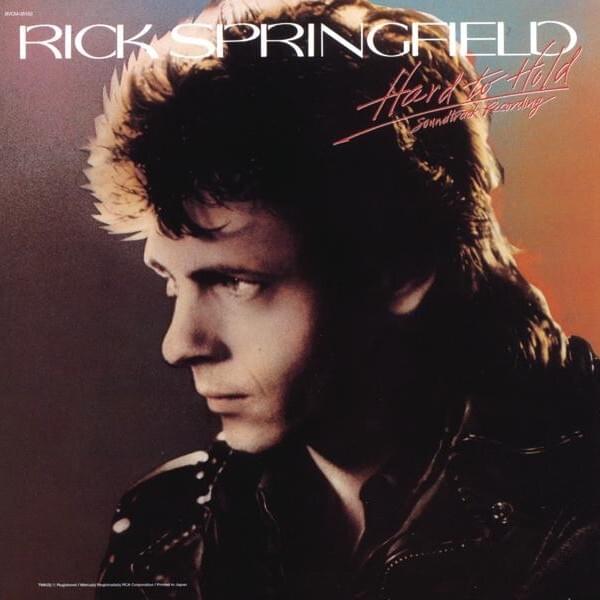
 View Artist