Song Meaning
Graham Parker's "Weeping Statues" isn't a mere dismissal of the strange and miraculous, but a sardonic examination of how humanity processes—or, more often, distorts—the extraordinary. The song's lyrical imagery, thick with weeping statues and Elvis sightings, immediately establishes a landscape of perceived miracles and the bizarre. Parker isn't necessarily debunking these phenomena; rather, he's dissecting the human need to find meaning, even when that meaning is tenuous or fabricated. The opening lines suggest a world saturated with signs and wonders, yet these events disrupt the mundane, tearing at "the fabric of their daily lives." It's a critical commentary on how easily people are swayed by the spectacle, often at the expense of genuine understanding. Parker hints that this reliance on the extraordinary may be a form of self-imposed limitation, asking, "Is it fear of flying that / Keeps us rooted to the ground?"
The second verse delves into the unreliability of perception and communication. Parker lists a series of seemingly miraculous events witnessed by those traditionally considered impaired – the blind, the deaf, the crippled. These figures, often marginalized, become conduits for the extraordinary. Yet, the "moron" twists the message, highlighting the inherent risk of distortion as information passes through human filters. The powerful image of writing "in invisible ink" encapsulates this idea: even when intentions are pure ("his mind was clear to think"), the final product can be obscured, misunderstood, or manipulated. It's a bleak commentary on the challenges of conveying truth in a world ripe with misinterpretation.
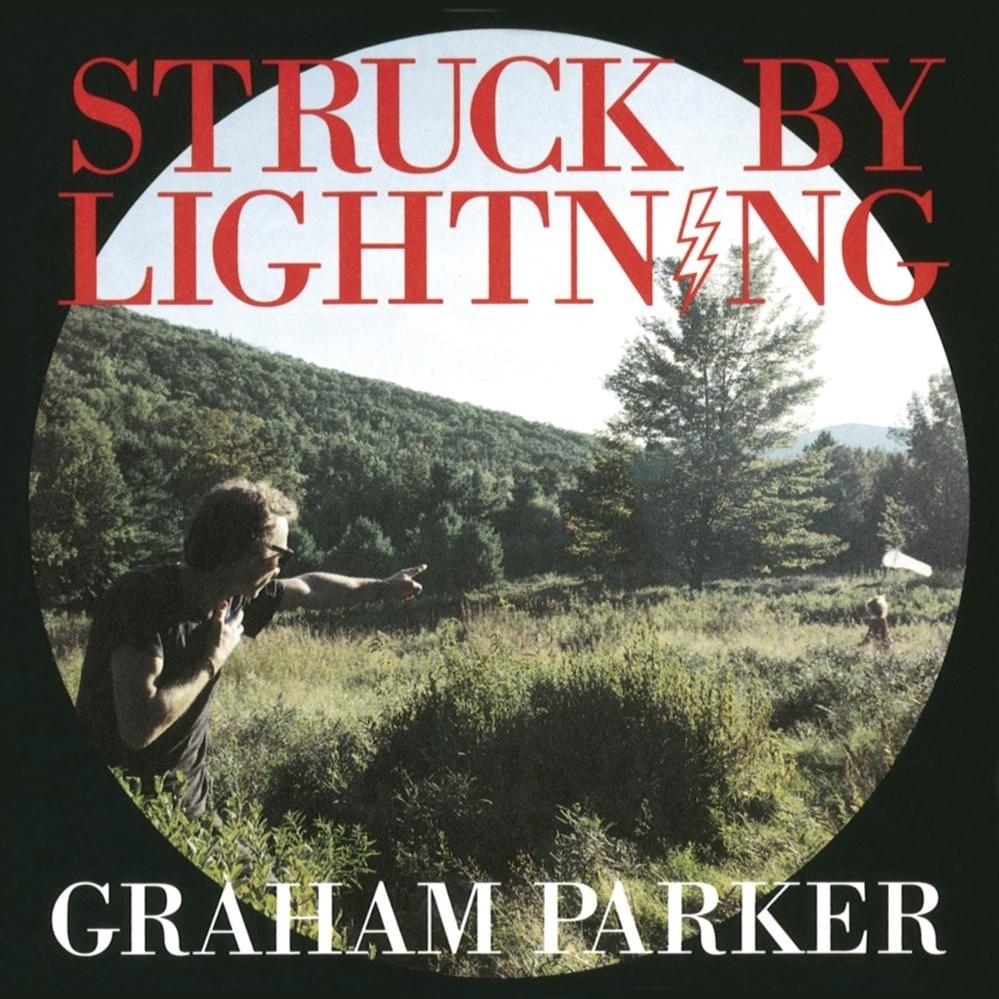
Ultimately, "Weeping Statues" suggests that these supposed miracles are arbitrary and selective. "Statues only weep for some," Parker observes, and "Elvis just shows up when he's hungry." The final lines offer a particularly biting observation: while lightning strikes indiscriminately, only the "very lucky" are hit. This implies that even catastrophic events can be perceived as a form of perverse blessing or a sign of recognition. The song's meaning then, lies in its cynical portrayal of humanity's desperate search for meaning, even when that meaning is elusive, distorted, or ultimately meaningless. Parker doesn't offer answers, but challenges us to question the stories we tell ourselves and the ease with which we embrace the extraordinary without critical thought.
 View Artist