Song Meaning
Graham Parker's "Maida Hill" is a masterclass in melancholic reflection, a sonic landscape painted with longing and the quiet resignation of a life examined. It's not just a song; it's a series of introspective vignettes, each a fleeting glimpse into the artist's psyche as he stands on that titular hill, contemplating the weight of unfulfilled potential and the inexorable march of time. The lyrics aren't just words; they're brushstrokes creating a portrait of a man wrestling with his own mortality and the ghosts of what might have been. Parker's genius lies in his ability to weave personal yearning with historical and societal commentary, creating a multi-layered narrative that resonates on both intimate and universal levels.
The specter of lost love haunts the verses. The lines about a woman who 'could be with me now' are particularly poignant, suggesting a love just out of reach, a phantom limb of the heart. The 'coat of green' and 'dress in aubergine' evoke a specific, vivid memory, immediately undercut by the harsh reality: 'that was just a fever dream / And I was all alone.' This juxtaposition of dream and reality is a recurring theme, highlighting the chasm between aspiration and actuality. It's a feeling many listeners will instantly identify with, the sharp sting of realizing that our imagined lives often diverge wildly from the paths we actually tread.
But "Maida Hill" extends beyond personal romance. The lines about 'shaking our spears at foreigners' and driving them from 'our sceptered isle' introduce a broader historical and political dimension. It's a stark reminder of humanity's cyclical nature, the endless repetition of conflict and isolation. The song subtly critiques nationalism and xenophobia, suggesting that these primal urges ultimately lead to the same desolate outcome: 'And now we're all alone.' The final repetition of 'We want to be alone' is particularly chilling. Is it a statement of defiant independence, or a weary admission of defeat? Parker leaves the question unanswered, allowing the listener to grapple with the ambiguity and find their own truth within the song's haunting verses.
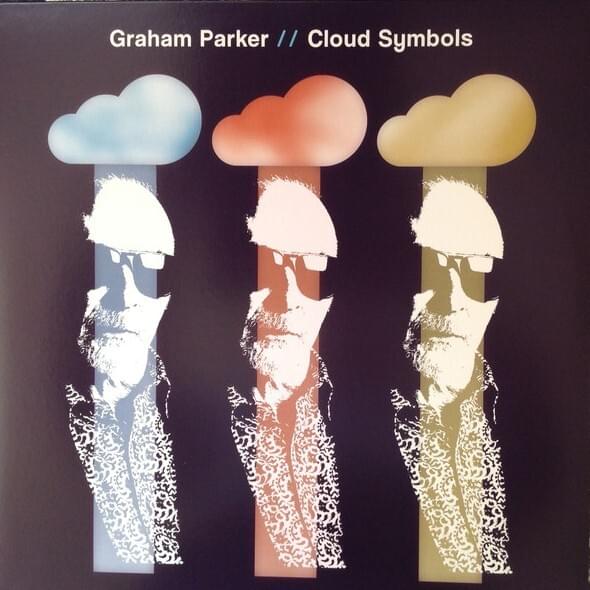
 View Artist