Song Meaning
Graham Parker's "I Was Wrong" is a brutal, almost Beckett-ian dissection of shattered ego and the cold realities of the entertainment machine. The song’s surface simplicity—a repetitive mantra of self-recrimination—belies a deeper, more unsettling exploration of ambition’s dark side. Parker isn't just admitting a mistake; he's confessing to a fundamental miscalculation about his place in the world. The opening lines, with their imagery of a fleeting moment of glory followed by betrayal (“They gave me my fifteen minutes / Then they pulled the knife”), immediately establish a sense of disillusionment. This isn't just about a failed project; it's about the inherent ruthlessness of an industry that chews up and spits out dreams with alarming regularity. The 'tape that keeps on turning' evokes a sense of endless, impersonal process, where individual talent is secondary to the relentless churning of the machine.
The core of the song meaning lies in the stark repetition of the phrase "I was wrong." It’s a mantra of self-flagellation, but also a kind of bleak acceptance. Parker strips away any pretense of justification or excuse, confronting his own misjudgment head-on. The lyrics, “I thought I had something / I was wrong,” cut with a sharp, almost clinical precision. This isn't youthful angst; it's the weary resignation of someone who's learned a hard lesson about the limits of their own potential. The image of being replaced by a faceless, untraceable entity (“a man who had no face / And who could not be traced”) is particularly chilling, suggesting a loss of individuality to a system that values anonymity and disposability above all else.
Ultimately, "I Was Wrong" isn't just a song about personal failure; it's a broader commentary on the corrosive effects of ambition and the dehumanizing nature of the entertainment industry. The repeated admission of error, bordering on nihilistic, becomes a powerful statement about the struggle to maintain one's sense of self in a world that constantly seeks to commodify and discard. The song's stark simplicity, coupled with Parker's raw, unvarnished delivery, creates a haunting and unforgettable portrait of disillusionment. The 'oh, oh, oh' section at the end seems like a primal scream, a final release of all the disappointment and frustration. It is a stark reminder that even the most talented can be reduced to a simple, and painful, acknowledgement: “I was wrong.”
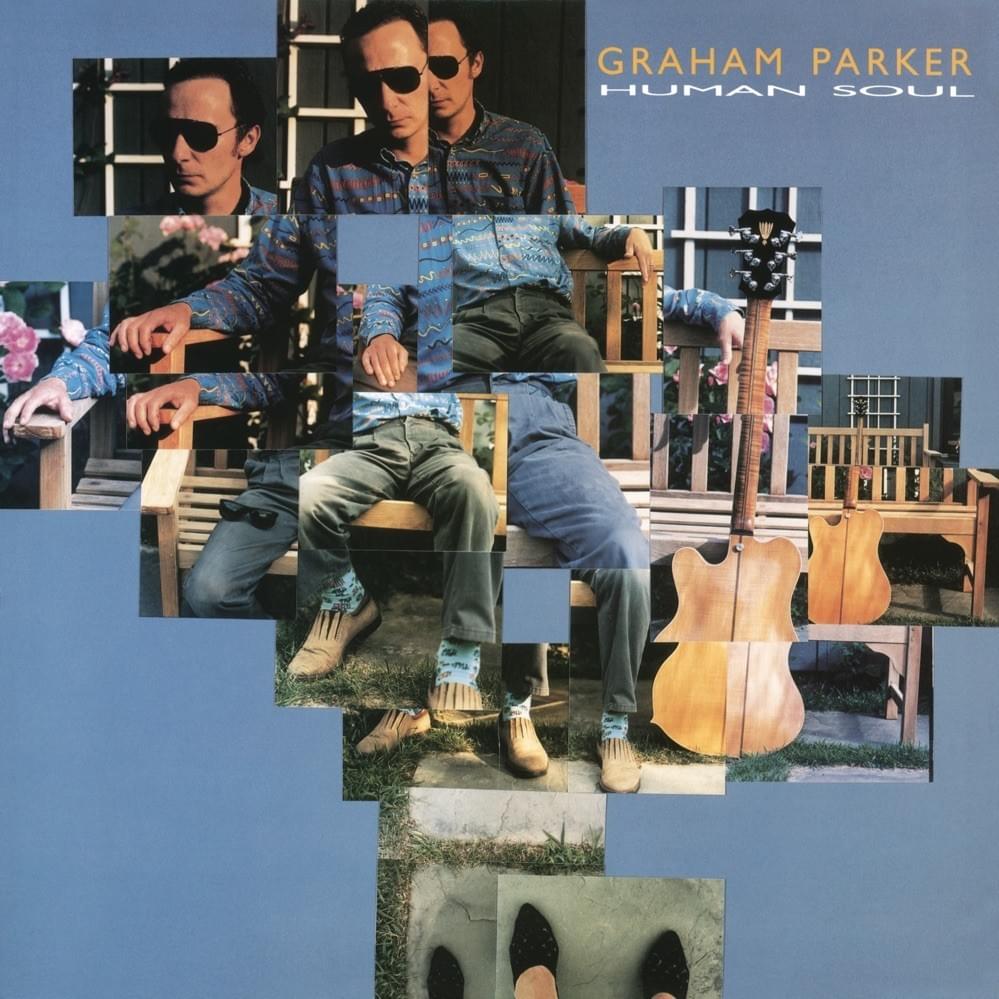
 View Artist