Song Meaning
Graham Nash's "Watch Out for the Wind" isn't just a weather advisory; it's a stark observation of societal decay and the false promises of those in power. The repeated warning to 'watch out for the wind' acts as a potent metaphor for impending chaos and the forces that can topple even the most seemingly secure structures. Nash paints a picture of a world where 'castles are turning into sand' and cities are 'burning to the ground,' suggesting a systemic breakdown fueled by unsustainable practices and moral corruption. The 'heat of the day' and 'heat of the night' symbolize the relentless pressure and intensity of modern existence, amplifying the sense of impending doom. The wind, therefore, becomes the catalyst, the inevitable consequence of these destructive forces.
The song’s core critique centers on 'the prophets' – figures of authority, be they political, religious, or economic – who exploit and manipulate for personal gain. Nash pointedly states that these figures 'robbed you to get' where they are, and their actions will ultimately be futile in saving their own souls. This indictment speaks to a deep distrust of institutions and leaders who prioritize self-interest over the well-being of the populace. The idea that 'all of their debts will soon be forgiven' carries a cynical edge, suggesting that while these figures may escape earthly accountability, they will not evade the consequences of their actions on a deeper, perhaps spiritual, level. This forgiveness, however, doesn't absolve them, nor does it erase the damage they've inflicted.
Ultimately, "Watch Out for the Wind" is a cautionary tale about the fragility of society and the importance of individual awareness and resilience. The repeated line 'some people can't take it anymore' highlights the breaking point that occurs when individuals are pushed to their limits by systemic pressures. The song urges listeners to be vigilant, to protect themselves, and to recognize the deceptive nature of those who claim to offer salvation. It's a call for self-reliance and critical thinking in a world increasingly defined by instability and the erosion of trust. Graham Nash delivers not just a song, but a prophecy, urging us to brace ourselves against the coming storm.
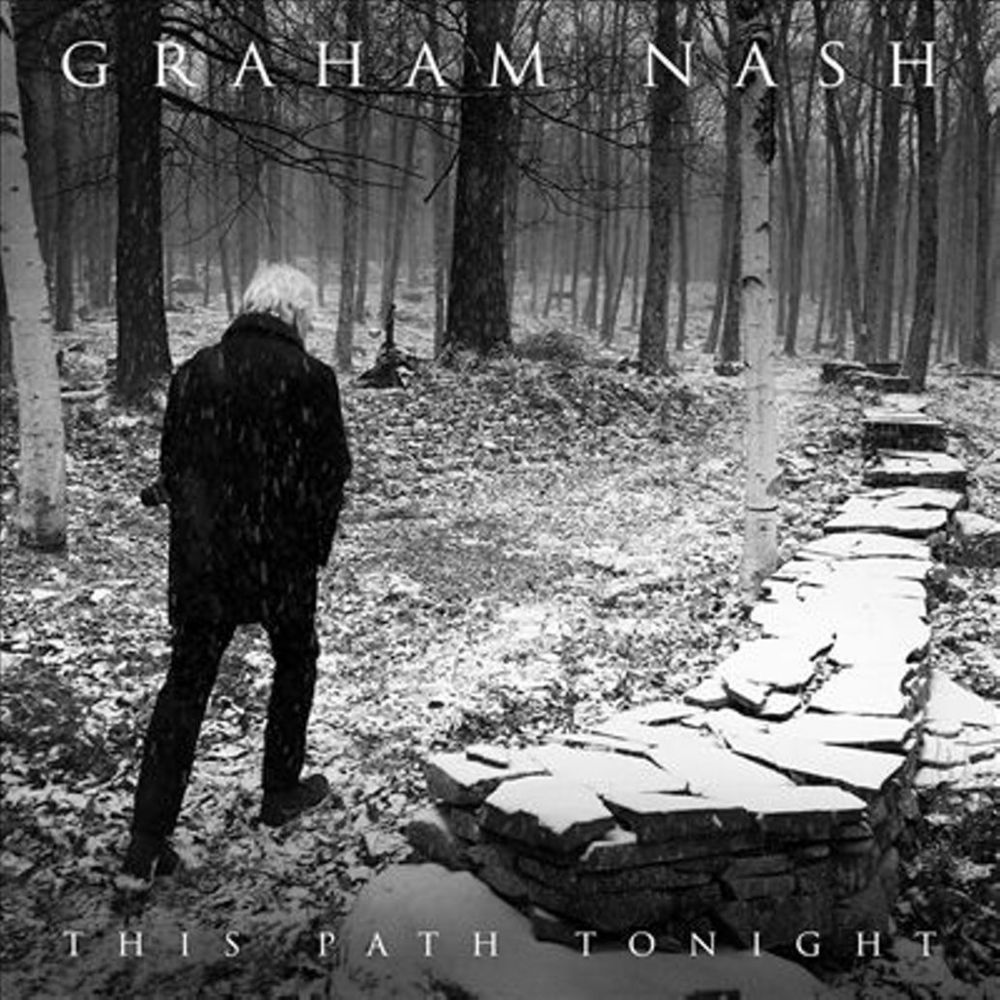
 View Artist