Song Meaning
Graham Nash's "3 Ringe" isn't just a song; it's a melancholic post-mortem on a life lived in the relentless churn of the music industry. The opening lines, "I watched it all come down / To a Rock and Roll parade, just out of town," suggest a disillusionment with the spectacle, the touring machine, the endless performance of self. He's seen the magic fade, the genuine artistic impulse devolve into a predictable, almost tragic, routine. The repeated phrase "I watched it all come down" acts as a mournful refrain, highlighting a sense of powerlessness in the face of inevitable decline. It's the weary observation of someone who's been backstage for too long, witnessing the slow erosion of authenticity.
The imagery shifts from the romantic to the brutally pragmatic: "To a paper-weight at the business end of town." This is the cold reality of contracts, management, and the commodification of art. The weight of expectation, the pressure to deliver, and the sheer bureaucratic inertia of the industry have taken their toll. When Nash sings, "Loaded up and loaded down, it's a mess, it's a mess," he's not just describing the logistical chaos of a tour; he's articulating the emotional baggage, the psychological toll of constantly being "on." This mess is the complicated legacy of a life devoted to music.
Yet, amidst the disillusionment, there's a flicker of hope, a refusal to succumb entirely to cynicism. The lines "And although I've watched it fall / I want you to know, I've seen it grow, yeah" provide a crucial counterpoint. This isn't just a lament for what's lost; it's an acknowledgment of the enduring power of creation, the personal growth that has occurred despite the industry's pitfalls. The final verse, with its references to "reflector shades and telegrams at dawn," evokes a sense of constant movement, a life lived on the road. The closing lines, "I'm gone, been there too long," suggest a desire for escape, a need to break free from the cycle and find solace in something new. The song meaning ultimately resides in this tension between disillusionment and enduring hope. It's a raw, honest reflection on the costs and rewards of a life dedicated to art.
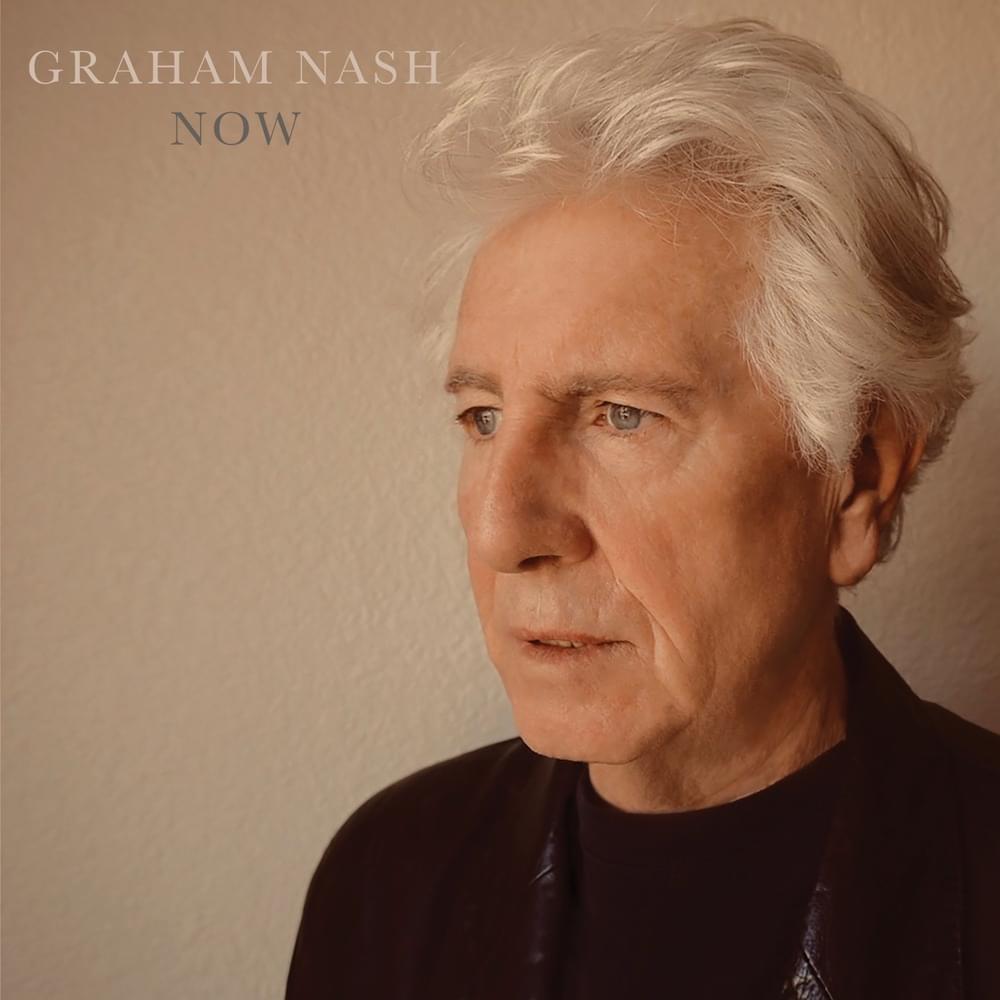
 View Artist