Song Meaning
Graham Nash's "Helicopter Song" isn't about helicopters, not really. It's a masterclass in controlled vulnerability, a tightrope walk between trust and terror. The opening lines, "Open up your window just enough to see me," immediately establish a plea for connection, but a guarded one. It's not a demand, but an invitation, tinged with the anxiety of exposure. That "just enough" speaks volumes about the speaker's apprehension. The "silver blade above us" introduces the central metaphor: a potentially dangerous, exhilarating force that lifts them both into the unknown. Is this love? Is it codependency? The ambiguity is the point. The sunlight reflecting off the helicopter blades hints at a dazzling, almost blinding, experience. The repeated line, "It could be me, it could be you, flying," suggests a shared risk, a mutual dependence on this precarious ascent.
The core of the song meaning lies in the subsequent verse: "So my life is in your hands now." This is where the vulnerability becomes explicit. The speaker has surrendered control, placing their fate in the hands of another. The phrase "thrill me at your back and call" has a slightly unsettling edge, hinting at a desire for domination and submission. The imagery of "screaming up and down the canyons, falling over waterfalls" evokes a chaotic, potentially destructive relationship dynamic. There's a thrill in the freefall, but also the very real danger of a crash.
Ultimately, "Helicopter Song" is a dissection of the intoxicating and terrifying aspects of surrendering to another person. It's about the push and pull between wanting to be seen and the fear of being truly known. The cyclical structure of the lyrics, returning to the initial plea to "open up your window," reinforces the sense of being trapped in this emotional loop. The "silver blade above us" becomes a constant reminder of the precariousness of their situation, a shimmering symbol of both liberation and potential disaster. It's a beautifully unsettling portrait of a relationship teetering on the edge.
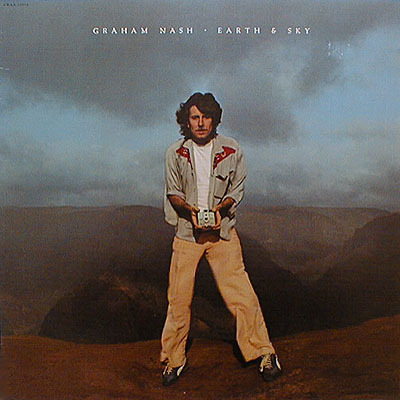
 View Artist