Song Meaning
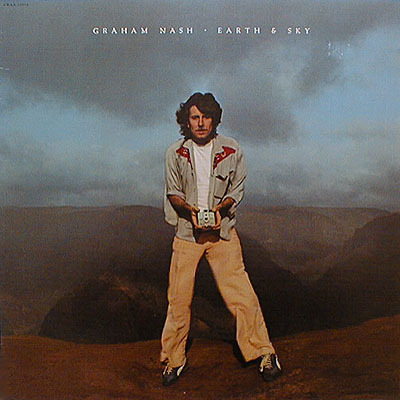
Graham Nash's "Earth & Sky" unfolds like a half-remembered, ecologically-tinged nightmare. The song, steeped in dreamlike imagery, seems to grapple with humanity's hubris and detachment from the natural world. Nash paints a picture of those "banking on a cloud," a metaphor for individuals or perhaps entire societies pursuing fleeting, unsustainable pleasures while remaining stubbornly aloof from the consequences of their actions. The refrain, "holier than thou," emphasizes a sense of moral superiority that blinds them to the impending doom. Are they politicians? Tech billionaires? Irresponsible industrialists? Nash leaves it vague, allowing the listener to project their own anxieties onto the canvas.
The recurring question, "Did I dream, so late at night?" hints at a psychological struggle, a confrontation with uncomfortable truths that are easier to dismiss as mere figments of the imagination. The dinosaurs and saber-tooth tigers evoke a primal past, a time when nature reigned supreme, now replaced by a reckless pursuit of "treasure" at the expense of the planet. The absence of anyone "home to tell the truth" suggests a widespread denial, a collective unwillingness to confront the environmental crisis. This is not just an external critique, but also an internal reckoning, a search for grounding in a world increasingly divorced from reality.
The final verse offers a fragile glimmer of hope. The awakening, the sense of safety, and the "fading dreams" taking a bow before the future suggest a potential for change, a willingness to confront the challenges ahead. Yet, the repetition of "holier than thou, banking on a cloud" underscores the enduring power of denial and the constant temptation to prioritize short-term gains over long-term sustainability. Ultimately, "Earth & Sky" is a cautionary tale, a plea for humanity to come down from its lofty perch and reconnect with the fundamental realities of the planet before it's too late. The song meaning resonates deeply in an era defined by climate anxiety and the urgent need for ecological responsibility.
 View Artist