Song Meaning
The lyrics paint a picture of stasis and a gnawing uncertainty. The repeated phrase "I got twenty-seven dollars on me and my mind" anchors the listener to a specific, meager financial state, suggesting a lack of progress or resources. This is underscored by the relentless, almost oppressive passage of time, described as both "drifting by" and "dragging on," creating a palpable sense of being stuck. The narrator seems caught in a loop, questioning their own perceived flaws with "Baby, baby / What's so bad about me?" while insisting on their punctuality – "Always on time" – a detail that feels like a desperate plea for validation amidst the stagnation.
The core tension lies in the contrast between the narrator's internal state and their external reality. They possess a fixed, small amount of money and a mind that seems occupied by this very limitation, yet they also claim to be "always on time." This suggests a desire for order and reliability that clashes with the perceived lack of movement or opportunity. The mention of "Hamilton, Ontario" at the end, a specific geographical marker, grounds the abstract feeling of being stuck in a particular place, perhaps implying a literal or metaphorical dead end.
The most striking aspect of the craft is the hypnotic repetition of "twenty-seven dollars" and the temporal descriptions. This isn't just about being broke; it's about the psychological weight of that condition, how it occupies the mind and colors the perception of time. The fragmented delivery of "twenty-seven—, twenty-seven—, twenty-seven—" in Verse 2 amplifies this sense of fixation and a mind struggling to articulate its predicament. The brief, almost observational interjection "Hey, a boat back there" offers a fleeting glimpse of potential escape or movement, only to be swallowed by the returning themes of time and money.
Ultimately, these lyrics resonate because they capture the frustrating experience of feeling trapped by circumstance, where small, persistent details like a fixed amount of cash and the slow crawl of time become the dominant narrative. The narrator's self-questioning and insistence on punctuality highlight a deep-seated need for control and recognition in a situation that offers neither, making the feeling of being stuck intensely relatable.
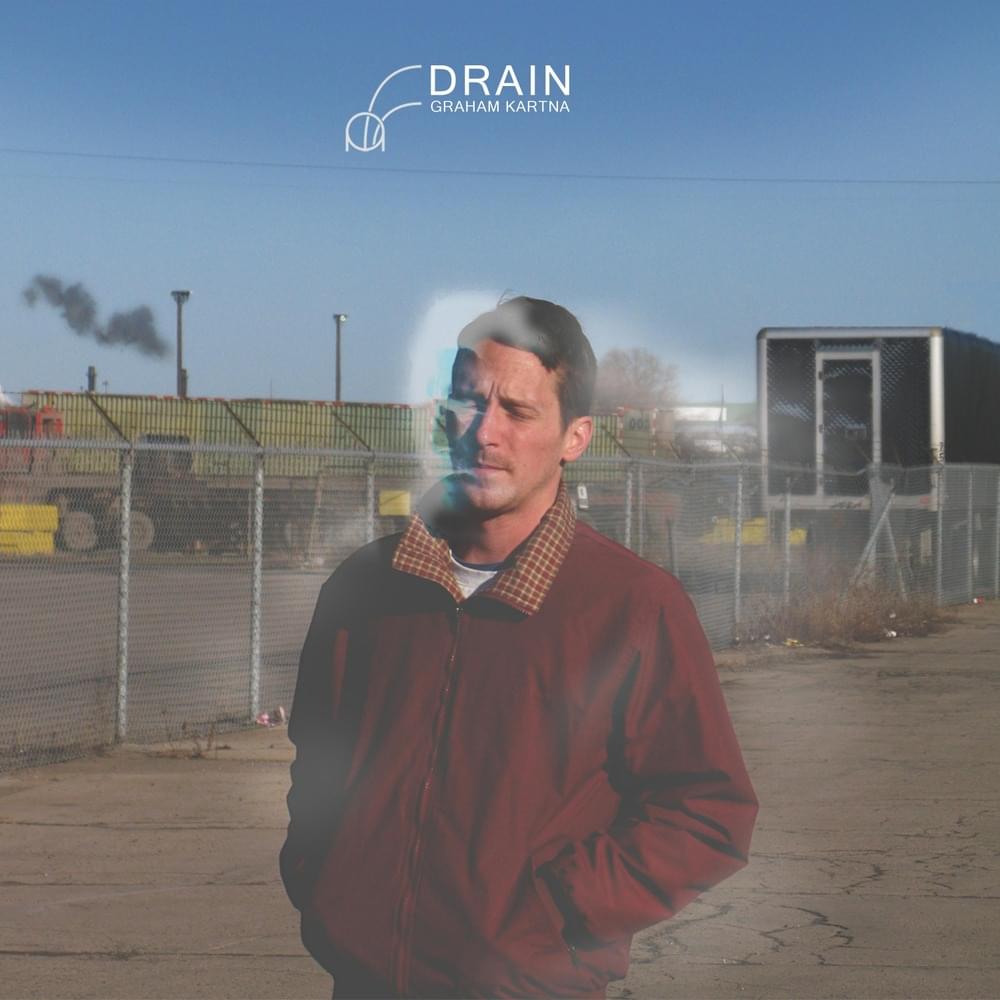
 View Artist