Song Meaning
The lyrics paint a poignant picture of a father guiding his daughter through adolescence, a period he labels "the impossible years." This phrase immediately sets a tone of struggle and difficulty, suggesting a time of significant emotional and developmental upheaval for the young girl. The father's offer to "show you the way" frames his role as a protector and guide, acknowledging the perilous nature of this phase. The opening lines establish a tender yet serious moment, highlighting the weight of parental responsibility during a child's transition to adulthood.
The central tension lies in the daughter's internal experience versus the father's external perspective and desire to help. She is described as "adrift on the ocean," battling "unspeakable fears" and "the torture of doubt and pent up emotion." This imagery emphasizes her isolation and the overwhelming nature of her feelings. Meanwhile, the father sees her as a "young bud" and a "green shoot," beautiful but needing time and guidance to "come to flower" and become "beauty inviting." The lyrics suggest a disconnect between the daughter's internal turmoil and the father's hopeful, albeit concerned, view of her potential.
The most striking craft element is the recurring motif of "impossible years" juxtaposed with natural imagery of growth and blooming. The father's perspective shifts from acknowledging the difficulty to framing it as a necessary stage, comparing the girls to "seeds that we've been sowing." This metaphor implies that their growth, though challenging, is a natural and intended outcome of their upbringing. The repetition of "We'll help the impossible years go by" offers a comforting, albeit somewhat passive, resolution, suggesting that time and parental support are the primary agents of passage through this difficult phase.
What makes these lyrics resonate is the raw honesty about the parental struggle to understand and navigate a child's burgeoning independence and internal world. The father's language, while loving, also reveals a sense of helplessness in the face of his daughter's private emotional landscape. The contrast between her internal "fears" and "doubt" and his external metaphors of "bud" and "shoot" captures the universal challenge of bridging the gap between generations during adolescence, making the experience feel both specific and deeply recognizable.
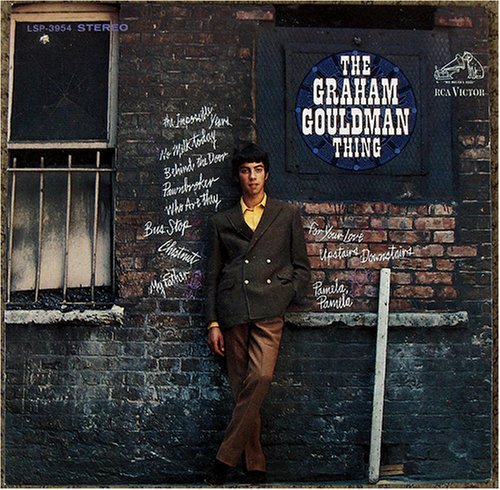
 View Artist