Song Meaning
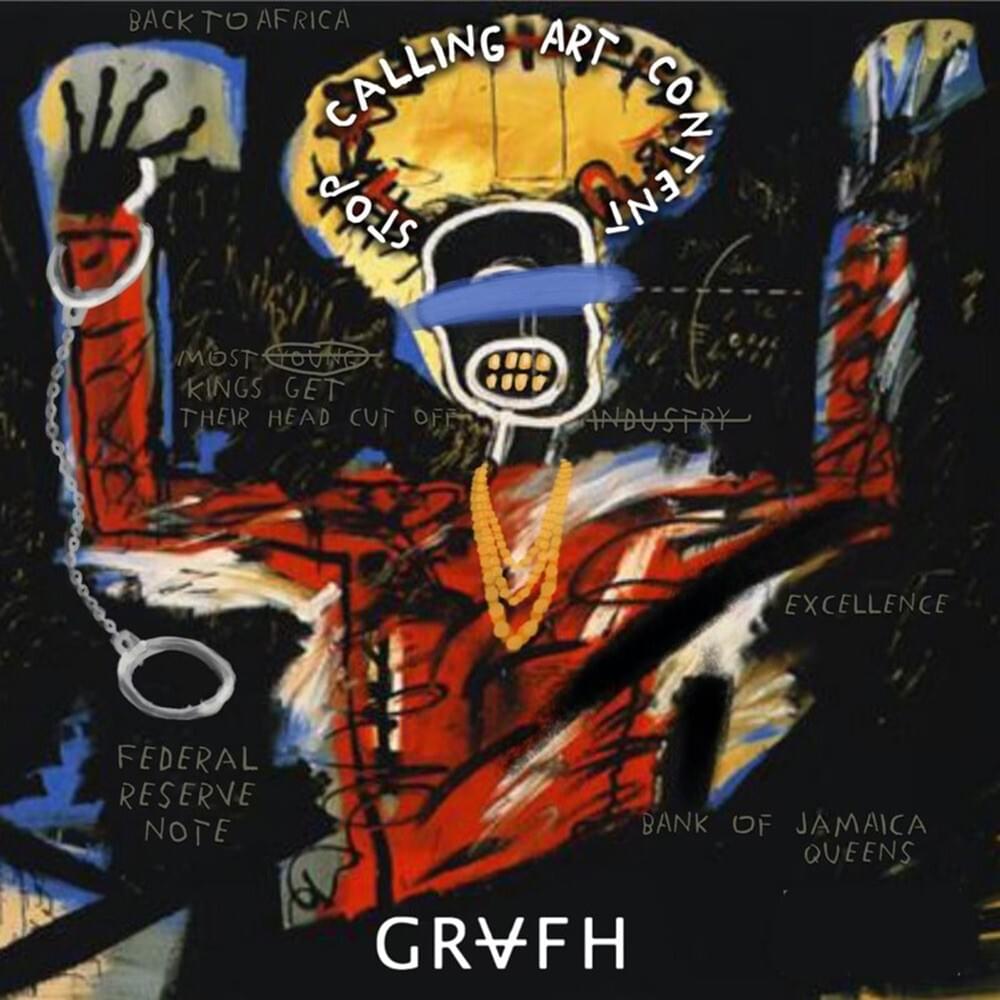
This spoken-word intro immediately establishes a fierce defense of artistic integrity against the commodification of creative output. The narrator, speaking through a robotic voice, argues that labeling passionate, self-expressive work as mere "content" fundamentally misunderstands and devalues its essence. The core assertion is that art born from passion is a pure offering of the self, something inherently distinct from the transactional nature of "content."
The central tension lies in the stark dichotomy presented between "art" and "content." The lyrics repeatedly emphasize their incompatibility, stating "Content kills art," "Passion and content doesn't live in the same house," and "Culture and content have nothing in common." This framing suggests that the modern digital landscape, with its emphasis on mass production and consumption, risks eroding the very soul of creative endeavors by reducing them to interchangeable units.
The most striking aspect of the writing is its direct, almost polemical tone and the forceful repetition of the word "content." This repetition, coupled with declarative statements like "Content has no soul" and "Content is all business," creates a sense of urgent warning. The robotic voice itself seems to underscore the dehumanizing effect of this perspective, presenting a cold, logical, yet impassioned plea for recognition of art's intrinsic value beyond its marketability.
Ultimately, the effectiveness of these lyrics stems from their uncompromising stance and clear articulation of a perceived threat to artistic authenticity. By drawing such a sharp line between the spiritual, personal act of creation and the sterile, commercial label of "content," the narrator compels the listener to reconsider how they engage with and categorize creative work, urging a return to valuing the passion and soul behind it.
 View Artist