Song Meaning
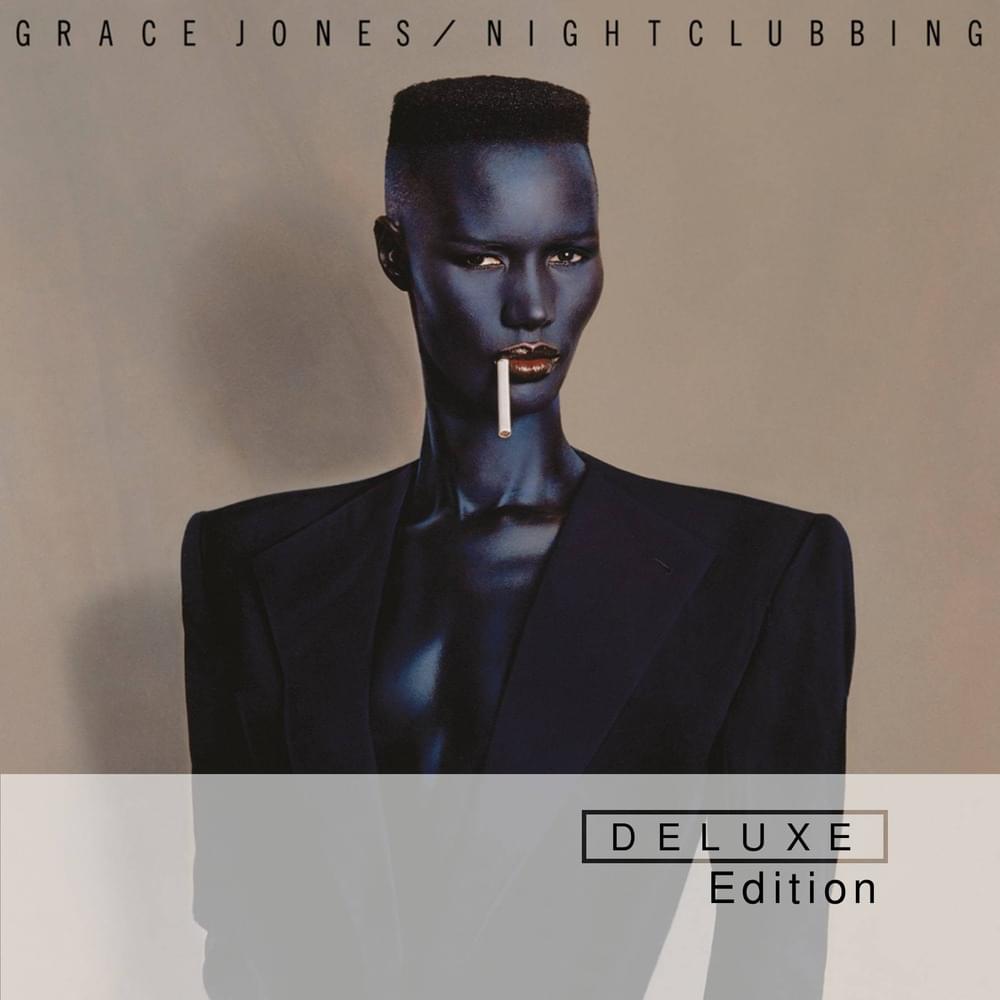
Grace Jones's "I've Seen That Face Before (Libertango)" isn't just a song; it's a sonic tableau of urban alienation, set against the backdrop of a relentlessly chic, yet emotionally barren, Paris. The repeated line, "Strange, I've seen that face before," acts as a haunting motif, suggesting a pervasive sense of unease and the feeling of being perpetually watched, a state heightened by lines like "he shadows me back home" and "staring eyes chill me to the bone." This isn't simple paranoia; it's a reflection of the psychic cost of modern city life, where anonymity and exposure exist in a constant, unsettling tension.
The musicality of the song enhances this feeling. The tango rhythm, originally Astor Piazzolla's "Libertango," provides a framework of passionate intensity, which is then subverted by Jones's detached, almost robotic vocal delivery. The French phrases interspersed throughout the lyrics, such as "Tu cherches quoi, rencontrer la mort?" (Are you looking to meet death?), add another layer of existential dread. They suggest a deeper contemplation of mortality and the search for meaning in a world that often feels meaningless. It's not just about being followed; it's about being haunted by the specter of one's own mortality.
The narrative fragments within the song, like the brief vignette of "Joel et sa valise" (Joel and his suitcase), hint at stories of escape and desperation. These glimpses into other people's lives reinforce the idea that everyone is struggling with their own demons, their own sense of displacement. The song, therefore, becomes a broader commentary on the human condition, exploring themes of isolation, the search for identity, and the ever-present awareness of our own vulnerability. Grace Jones uses her unique artistic vision to transform a simple observation into a profound meditation on the anxieties of contemporary existence. The song meaning lingers long after the music fades.
 View Artist