Song Meaning
The narrator is facing a profound, unavoidable shift, a forced independence that feels like a loss. There's a clear reluctance to confront this change, a desire to avoid the struggle it represents. The immediate emotional texture is one of weary resignation, a stark contrast to any past sense of shared strength or capability. The core tension lies in the question of self-sufficiency versus the deep-seated fear of isolation.
This isn't just about a breakup or a move; it's about a fundamental alteration of self, a feeling that the past self is irrecoverable. The line "I'll never bring back that feeling" points to a specific emotional or relational state that is gone forever, "lost in the life I'm stealing." This suggests a sense of guilt or perhaps a feeling of being out of sync with their own existence, as if they're living a life that doesn't quite belong to them anymore. The act of "stealing" life implies a desperate, perhaps even illicit, attempt to keep moving forward.
The most striking element is the persistent imagery of running, both as a past shared endeavor and a present solitary struggle. "We ran down that road" evokes a time of shared purpose and perceived invincibility, a stark contrast to the current "Can I make it alone." The narrator is still "running on," driven by a hope for a future reward, a "dream" on the "other side of that hill." However, this relentless pursuit has left them "blinded," suggesting that the very act of striving for this future has obscured their present reality and perhaps their ability to see clearly.
The effectiveness of these lyrics stems from their raw portrayal of this internal conflict. The repeated question, "Can I make it alone," isn't just a query; it's a cry of vulnerability. The contrast between the past "we" and the present "I" amplifies the sense of loss. The narrator's continued running, despite being blinded, captures a desperate, almost tragic, human impulse to keep going even when the path forward is unclear and the cost is immense.
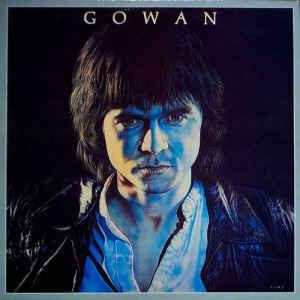
 View Artist