Song Meaning
The lyrics paint a picture of disillusionment and a dawning realization that established norms or figures have failed to live up to expectations. The opening lines, "Another day another / Face it didn't mean / Anything," immediately establish a sense of futility and insignificance. There's a questioning of authority and guidance, as seen in "Could you neglect to / Show respect and price / Your advice you give." This suggests a breakdown in trust or a perceived lack of genuine wisdom from those in power.
The core tension arises from a growing sense of unease and a refusal to blindly accept the status quo. The narrator observes that a "fire" has been started, implying a disruptive force or a catalyst for change, but fears it "cannot lead to no good." This is juxtaposed with a growing conviction that obedience is no longer warranted, as the question "well can't you feel / It too" directly challenges the listener or the authority figure to acknowledge this shared, unsettling feeling.
The most striking aspect is the contrast between an idealized "holy one" and the reality presented. The lyrics state, "But you never tried to be / The holy one," implying a deliberate failure to embody a higher standard or a more profound truth. This perceived hypocrisy is linked to a loss of values, where "lack of values / Leads to waste." The imagery of a "burning wheel is rolling faster" amplifies the sense of impending doom or irreversible change, urging a "Wake up it's real and it's loud."
What makes these lyrics resonate is their directness and the palpable sense of a collective awakening. The narrator isn't just expressing personal frustration; they're pointing to a shared experience of disappointment and a desperate call to confront an uncomfortable truth. The repeated emphasis on "It's the time it's the place / It's the way we are made" suggests an inevitability to this moment of reckoning, making the failure of the "holy one" feel all the more poignant and more profound.
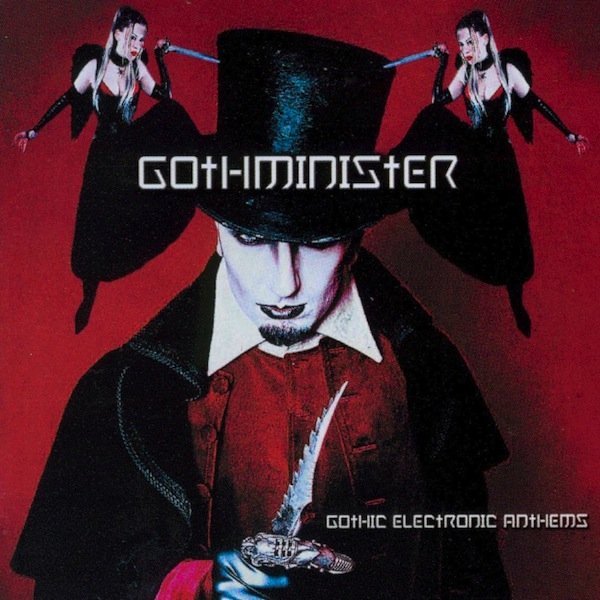
 View Artist