Song Meaning
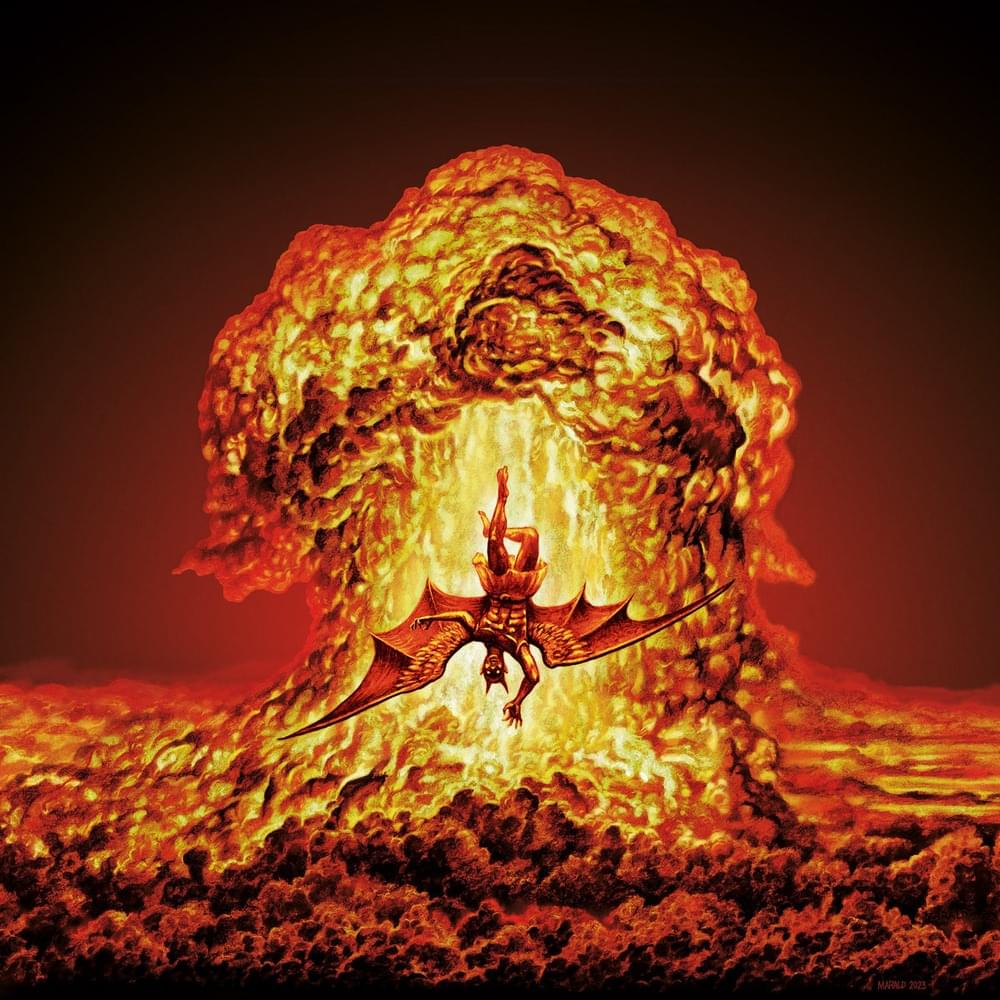
The lyrics paint a stark, almost ritualistic portrait of grief and loss, centering on a figure referred to as "Widow." The opening lines immediately establish a sense of temporal disorientation and spectral presence, with the narrator hearing a call and seeing someone "falling out of time," "buried under time." This isn't just about someone being gone; it's about their essence lingering, a haunting that feels inescapable and eternally painful.
The core of the song seems to reside in the visceral, almost violent imagery of the repeated chorus: "Widow, widow / The rite, the knife, the flesh." This phrase suggests a brutal, primal experience of loss, where mourning is not passive but an active, agonizing process. The repetition of "the flesh, the flesh" amplifies this sense of raw, physical pain and the inescapable reality of mortality. It feels less like a lament and more like an incantation, a desperate attempt to process something deeply wounding.
The destruction of institutions like "the church" and "altars" further underscores a profound societal or personal breakdown accompanying this loss. The "dead forgotten son" and "sacred destruction" hint at a collapse of meaning and order, where even foundational structures are "undone" and "burned." This imagery suggests that the loss is so profound it shatters the narrator's entire world, leaving behind only ruin and a lingering, self-inflicted wound.
Ultimately, the narrator's declaration, "I'll bleed forever / I'll bleed for you," solidifies the song's emotional core. This isn't just about mourning a "lover lost in time"; it's about an enduring, self-sacrificial pain. The lyrics suggest that the act of grieving, particularly in this intense, ritualistic way, becomes a permanent state of being, a constant, bleeding testament to the magnitude of what has been lost.
 View Artist