Song Meaning
The lyrics paint a visceral picture of being trapped, both physically and emotionally, under the weight of someone else's actions. The opening lines immediately establish a sense of desperate control, comparing a "tourniquet" to a binding force that "save[s] a limb" but ultimately "enslave[s] with the pretty things." This suggests a relationship or situation where superficial comforts mask a deeper, suffocating reality, leaving the narrator in a "pit of Hell."
The central tension arises from a profound disconnect between perception and reality, particularly concerning suffering. The narrator pleads, "Tell me that you cannot feel," implying a desire for an excuse or a denial of shared pain. This is juxtaposed with the devastating image of "children die" being "enshrine[d] a lie," indicating a systemic or personal failure to acknowledge or address genuine tragedy, with "excuses veiled in blood."
The repeated phrase "Enshrine a lie as children die" acts as a brutal refrain, hammering home the core conflict. The lyrics also introduce a powerful, almost biblical sense of judgment with "Your age of God" and "Belials reaping of it," suggesting a moral reckoning for those who perpetuate these falsehoods. The repetition of "I feel your sense of regret / Restrained by this tourniquet" further blurs the lines between the narrator's suffering and the perceived regret of the oppressor, creating a complex, intertwined agony.
Ultimately, the effectiveness of these lyrics lies in their unflinching portrayal of helplessness and moral decay. The stark imagery, from the "tourniquet" to the "pit of Hell," creates a palpable sense of dread. The juxtaposition of superficial "pretty things" with the death of children and the "lie" that "enshrines" them is deeply unsettling, forcing the listener to confront a painful truth about willful ignorance and its devastating consequences.
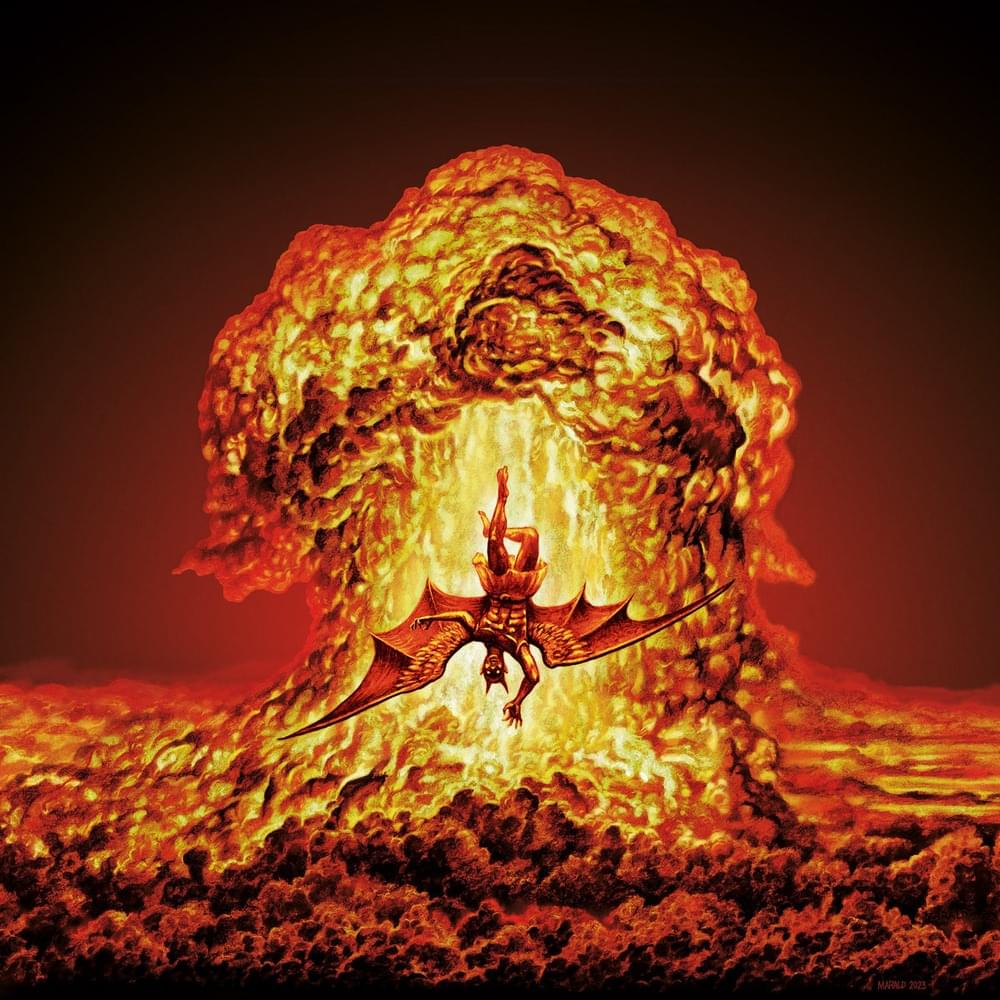
 View Artist