Song Meaning
The lyrics paint a stark picture of a friendship that has soured due to one person's ambition. The narrator observes a friend who has ruthlessly climbed the ladder, leaving behind those who supported them. The core sentiment is one of betrayal and disillusionment, as the narrator realizes they've been discarded now that their usefulness has expired. The phrase "we're forgotten" lands with a heavy finality, highlighting the transactional nature of the friendship from the other side.
The central tension lies in the contrast between past closeness and present abandonment. The narrator directly confronts the friend's actions, noting how they "stepped on the people" to get ahead. This isn't just a casual drifting apart; it's a deliberate act of discarding allies. The narrator's plea, "Don't make amends, don't even try," suggests a deep-seated resignation and a refusal to engage with false reconciliation, understanding the friend's motives are rooted in "greed."
The most striking aspect of the writing is its directness and lack of sentimentality. The narrator sees through the friend's potential guilt or feigned interest, cutting straight to the chase: "You just want more of what I've got." This unvarnished assessment of the friend's character, attributing their behavior to "greed" rather than a complex emotional state, makes the betrayal feel even more cold and calculated. The simple, almost resigned, "But I'll remember you" stands as a quiet, poignant counterpoint to the friend's forgetfulness.
This lyrical approach is effective because it grounds the emotional pain in specific, observable actions and motivations. There's no ambiguity about the friend's perceived selfishness. The narrator's voice is clear and steady, even as it articulates hurt, making the sense of being "forgotten" feel earned and deeply resonant. The final lines, "Things have changed between you and me / We don't hang out but that's ok," deliver a final, quiet blow, accepting the new reality with a weary maturity that underscores the depth of the loss.
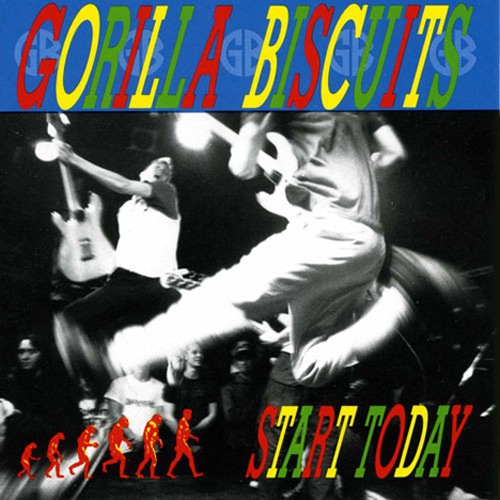
 View Artist