Song Meaning
These lyrics plunge the listener into a stark vision of impending doom, where the future holds nothing but oblivion. The opening questions, almost taunting, invite a glimpse into a tomorrow explicitly defined by the absence of life. It's a chilling, direct confrontation with an inescapable end.
The central tension here is the speaker's absolute certainty of this coming destruction, contrasted with the world's apparent continued existence. The lines "It's got to come / I know it's out there" convey a palpable sense of dread, an unseen force that is felt "Every break of dawn"—a powerful subversion of the natural cycle of renewal. This isn't just a fear; it's an anticipated inevitability.
The most striking craft element appears in the plea to a "Holy mother of impurity." This oxymoronic invocation is profoundly unsettling, suggesting a perversion of traditional divine figures or a desperate appeal to a force beyond conventional morality to undo the world. The desire to "Restore the black of night" is a potent image of ultimate negation, a yearning for the primordial void to consume a world dismissed as a "lair of lies."
Ultimately, these lyrics are effective because they don't just describe an apocalypse; they actively summon it. The theatrical framing of destruction as "A grand finale" adds a chilling, almost celebratory, dimension to the nihilism, culminating in a direct, accusatory punch: "you know you will pay." It's a declaration that implicates the listener, leaving them to ponder their role in this foretold end.
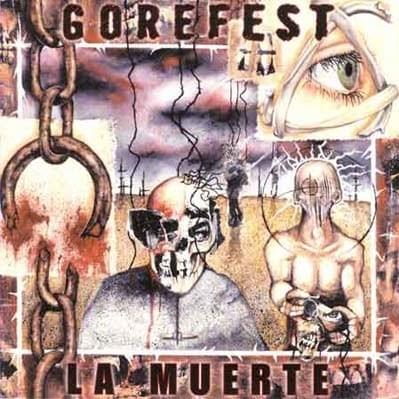
 View Artist