Song Meaning
The lyrics paint a picture of a relationship's painful dissolution, framed by a series of unanswered questions. The opening verse immediately establishes a sense of absence and confusion, with the narrator probing the moments leading up to a departure. The repeated interrogatives – "Where did you go?", "What did you do?", "How did it feel?", "When was the last time?" – create a palpable feeling of bewilderment and a desperate search for understanding. The narrator is left grappling with the unknown, piecing together fragments of a past that now feels distant and obscured by the elements, like snow and rain.
The core tension lies in the narrator's struggle to reconcile their own feelings with the other person's actions and perceived emotional distance. The second verse reveals a deeper layer of hurt, with the narrator questioning the other person's self-inflicted pain and their inability to accept love. Phrases like "hide what you knew" and "put yourself through like you did" suggest a pattern of self-sabotage or avoidance on the part of Annabel. The narrator asserts their own boundaries, stating, "I'm not the kind that would hold you that way," implying a fundamental difference in how they approach emotional support or commitment.
The song's most striking craft element is the stark contrast between the probing, questioning verses and the simple, repetitive "Farewell" in the outro. This shift from intricate inquiry to resigned finality underscores the emotional arc of the piece. The narrator moves from seeking answers to accepting the end, even offering a continued, albeit distant, friendship: "Drop me a line if you wake up feelin' bad." This gesture, coupled with the existential question "Where does it say love should last forever?", highlights a mature, if sorrowful, acceptance of impermanence.
Ultimately, the effectiveness of these lyrics stems from their raw, direct emotional honesty and the way they capture the disorienting aftermath of a relationship's end. The narrator isn't just mourning a loss; they're actively trying to make sense of it, using questions as a tool to process incomprehension. The final, repeated "Farewell to Annabel" acts not as a triumphant goodbye, but as a quiet, somber acknowledgment of an inevitable parting, leaving the listener with a lingering sense of unresolved sadness and the quiet dignity of acceptance.
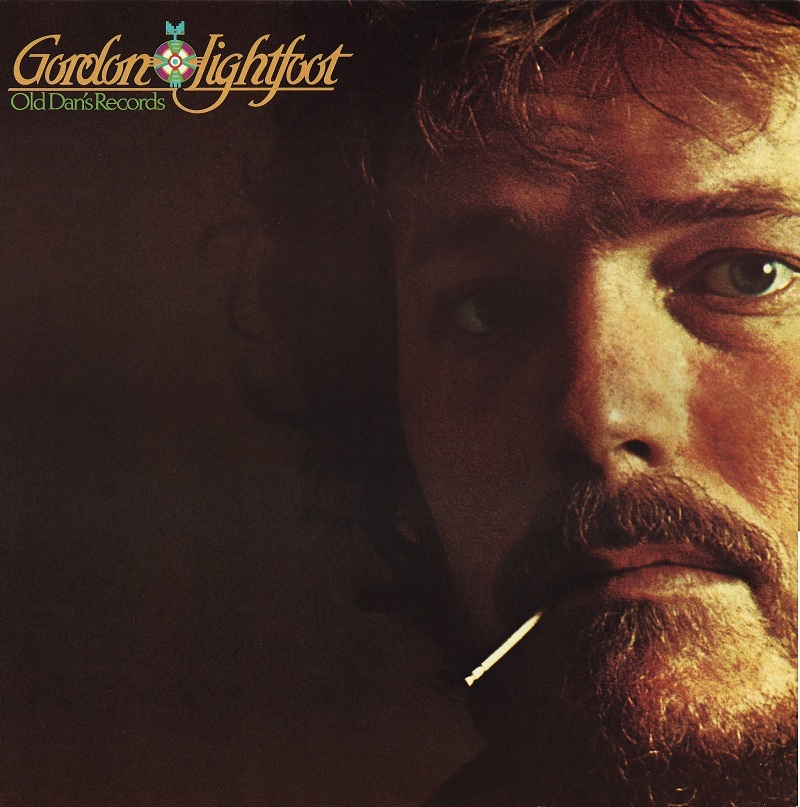
 View Artist