Song Meaning
The narrator finds himself on a "lost highway," a classic country trope for a life gone astray, and the immediate emotional texture is one of deep, aching loneliness. He directly addresses a "good lookin'" person, implying a past connection that has soured, and the dominant feeling is a yearning for that lost affection. The opening lines set a scene of isolation and regret, immediately pulling the listener into a familiar landscape of heartbreak.
The central tension arises from the narrator's inability to escape his feelings, even as he acknowledges the futility of his situation. He's caught in a cycle of "howlin' at the moon" and "honky-tonkin'," activities that only amplify his "lovesick blues" and his profound "lonesome" state. The lyrics suggest a desperate plea for a return to a past love, framing it as the only potential salvation from his current misery and the only way he "might see the light."
The most striking aspect is the direct invocation of Hank Williams, not just as an influence but as a descriptor of the narrator's own emotional state: "I'm Hank Williams lonesome tonight." This isn't just a feeling; it's an identification with a legendary figure of country music sorrow. The repetition of "My cold cold heart is hurting now" and the phrase "doggone lonesome I could cry" hammers home the raw, unvarnished pain, making the abstract feeling of loneliness intensely tangible and specific.
This writing is effective because it grounds universal feelings of heartbreak and longing in concrete, evocative imagery and a direct, almost conversational tone. The self-identification with Hank Williams elevates the personal pain to an archetypal level within the country music canon, giving it a weight and resonance that feels both deeply personal and culturally understood. It’s this blend of raw confession and iconic reference that makes the narrator's profound sadness hit so hard.
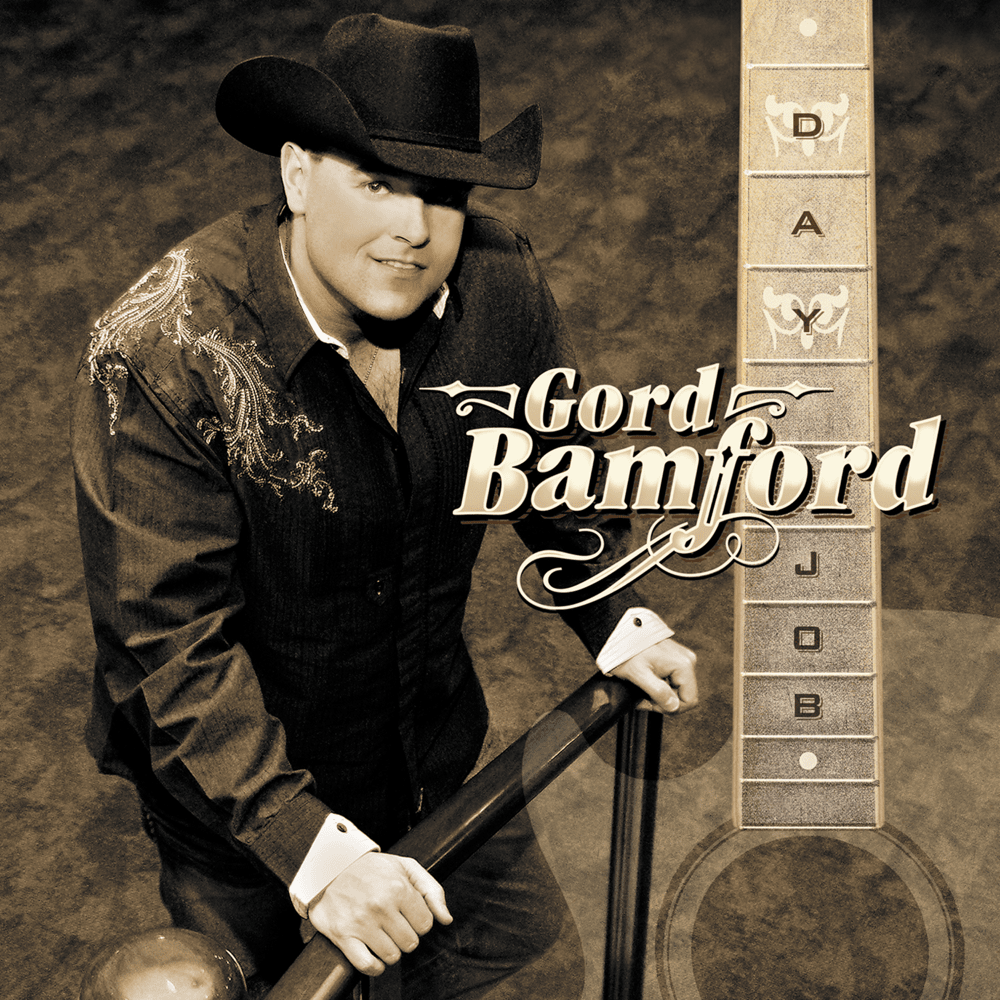
 View Artist