Song Meaning
This track paints a picture of the daily grind, where the necessity of a "danged ol' day job" clashes with the desire for a vibrant social life. The narrator acknowledges the practical benefits – "makes those ends meet" and "pays my bills" – but immediately pivots to the cost. There's a clear tension between obligation and aspiration, a feeling that the very thing providing stability is actively undermining personal fulfillment.
The core conflict emerges in the chorus: "I ain't complaining / But it ain't right." This isn't outright rebellion, but a weary resignation. The "old day job" is presented as an antagonist, not just a neutral employer, actively "ruining my night life." This suggests the job's demands, whether literal hours or the sheer mental exhaustion it causes, bleed into the narrator's free time, preventing genuine escape or enjoyment.
The lyrics subtly highlight this through observation. Seeing the "bossman" and "banker" also "tied one on" and "drunk" adds a layer of irony. These figures of authority, who presumably enforce the day job's structure, are shown indulging in the very "night life" the narrator feels is being stolen. Their obliviousness to the consequences – "Tomorrow morning / Ain't on their minds" – contrasts sharply with the narrator's own awareness of how the job impacts their evenings.
Ultimately, the effectiveness lies in its blunt honesty and relatable weariness. The repetition of "my old day job / Is ruining my night life" hammers home the central frustration. It captures that specific, often unspoken, feeling of being trapped by responsibility, where even moments of supposed freedom are tainted by the looming presence of work. The song resonates because it articulates a common, yet deeply personal, sacrifice.
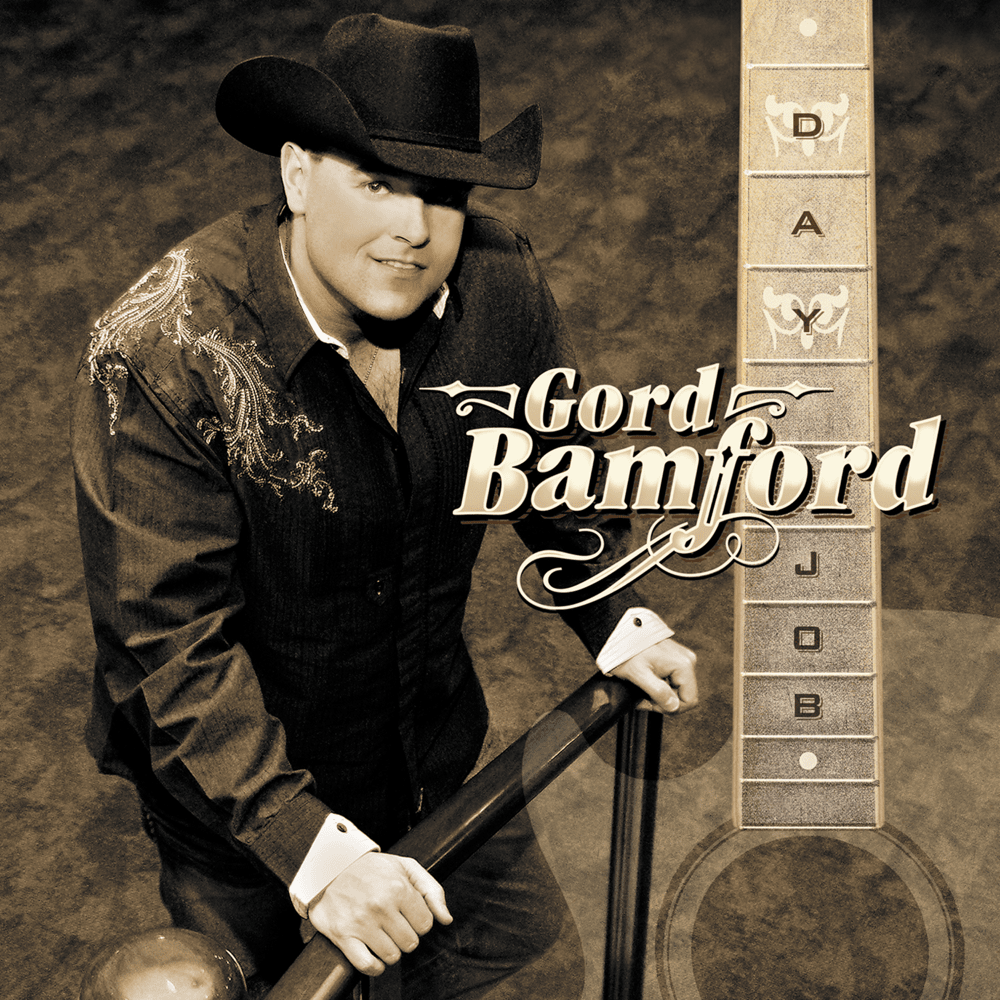
 View Artist