Song Meaning
These lyrics paint a poignant picture of forced departure from a beloved homeland. The narrator is leaving a beautiful coastal region, driven by a lack of livelihood. It's a bittersweet goodbye, filled with sorrow and deep affection for the place being left behind.
The central tension lies in the paradox of loving a land that cannot sustain its people. The opening lines, "Lipa si zemjo moja / Ma za me kruva nimas" (Beautiful land of mine / But for me you have no bread), immediately establish this conflict. Images of abandonment, like leaving "vesla na zalu" (oars on the shore) and "prazne mriz e" (empty nets), underscore the futility of staying and the finality of the decision to depart.
The craft here is particularly effective in transforming emotion into tangible imagery. The repeated chorus, "Pivan ti pismu / Ka suzu za kraj" (I sing you a song / like a tear for the end), powerfully equates the act of singing with the shedding of a tear, making the song itself a vessel for grief. The narrator even personifies the sea, asking a "galeb bili" (white gull) to "jubi" (kiss) it, a poignant transfer of affection from the departing speaker. Later, the lyrics suggest a broader cultural sorrow, describing the "dus a dalmatinska" (Dalmatian soul) as "Rasula se bilin sviton" (scattered across the white world), implying a diaspora.
Ultimately, these lyrics resonate because they capture the enduring love for home despite its hardships. The final lines, "Gorka si zemljo moja / Ma za me druge nima" (Bitter land of mine / But for me there is no other), encapsulate a profound, almost stubborn devotion. It's a powerful testament to how deeply one can be tied to a place, even when it necessitates a heartbreaking farewell, with only a song left to gather the scattered pieces of identity.
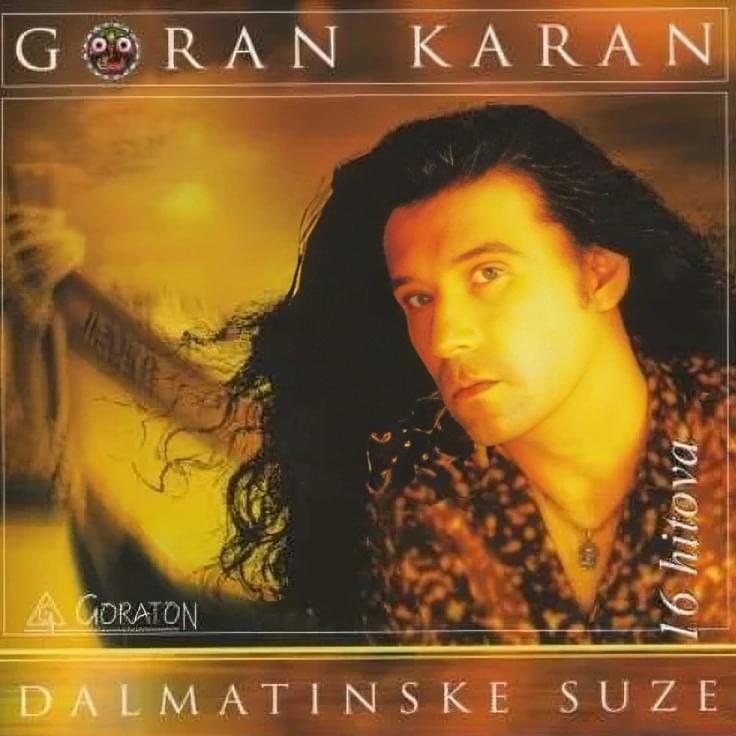
 View Artist