Song Meaning
The lyrics paint a poignant picture of loss and remembrance, centered around a fading photograph and the enduring impact of a departed "hero." The narrator observes a picture frame, noting its decay and the photograph's fading colors, yet insists the image itself remains constant. This visual metaphor sets the stage for a complex emotional landscape, where the passage of time and physical deterioration cannot erase the essence of what was lost. The initial surprise at noticing the frame suggests a period of numb detachment, from which the narrator is now emerging.
The core tension lies in the bittersweet nature of this goodbye. The narrator acknowledges the sadness of the departure, stating, "You had to go," but immediately qualifies it as "not a bad goodbye." This suggests an acceptance, perhaps even a sense of peace, that transcends the pain of absence. The repeated refrain, "Sing me your song / I'll sing my song," implies a reciprocal relationship, a shared history that continues even after separation. The declaration, "You know you're my hero," anchors the emotional weight, revealing the profound admiration and influence the departed figure held.
The most striking craft element is the juxtaposition of decay and permanence. The "years have warped the frame" and the picture is "beginning to fade," yet "the picture's still the same." This contrast highlights how memories and the impact of a person can endure despite physical evidence of time's passage. The empty room, a stark image of absence, is then filled by "memories" that offer a "different view," suggesting that the internal landscape can be richer and more vibrant than the external reality. The narrator's struggle with belief, admitting, "I don't know / What I believe," is resolved by the certainty that "there's more to it than me," a profound realization born from loss.
Ultimately, these lyrics resonate because they capture the complex emotional aftermath of losing someone deeply admired. The writing skillfully balances sorrow with a quiet affirmation of enduring connection and legacy. The acknowledgment of sadness alongside the assertion that it's "not a bad goodbye" offers a nuanced perspective on grief, suggesting that acceptance and the continuation of the departed's influence can transform a painful farewell into something more profound. The simple, repeated phrases create a sense of ritual and reflection, allowing the listener to process the narrator's journey from shock to a more settled, albeit melancholic, understanding.
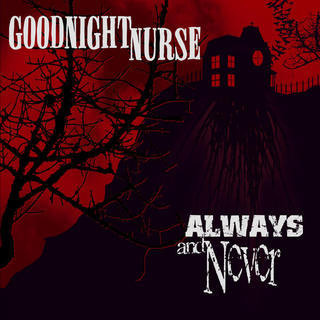
 View Artist