Song Meaning
This song paints a raw, vulnerable portrait of an artist pouring their entire being into their performance. The narrator implores the listener to understand that their voice is an act of profound self-surrender, a literal offering of their heart and soul. The imagery of "coração na boca, peito aberto, vou sangrando" immediately establishes a tone of intense emotional exposure and physical exertion, suggesting that the act of singing is a painful, yet necessary, release.
The core tension lies between the struggle of life and the cathartic power of music. The narrator explicitly states they are singing about "as lutas dessa nossa vida," framing their performance not as escapism, but as an active engagement with hardship. This suggests that the music is a way to process and transcend pain, a testament to the resilience found in artistic expression. The act of singing becomes a living testament to their experiences.
The most striking craft element is the direct equation of singing with living and loving. The narrator insists, "Tudo que você ouvir, esteja certa que estarei vivendo," and later, "É apenas o meu jeito de viver / O que é amar." This elevates the performance beyond mere entertainment; it is the narrator's fundamental mode of existence and their purest form of love. The physical manifestations of this – "brilho nos meus olhos," "tremor nas minhas mãos," "corpo tão suado" – underscore the deeply physical and emotional commitment involved.
Ultimately, the lyrics resonate because they articulate the profound connection between vulnerability and strength in artistic creation. The narrator's willingness to be seen "sangrando" and to have their "sol molhar o meu sorriso" invites an empathetic response. The plea, "Que o teu canto é minha força pra cantar," reveals a beautiful interdependence, where the listener's engagement becomes the fuel for the artist's continued expression, transforming a solitary act into a shared, life-affirming experience.
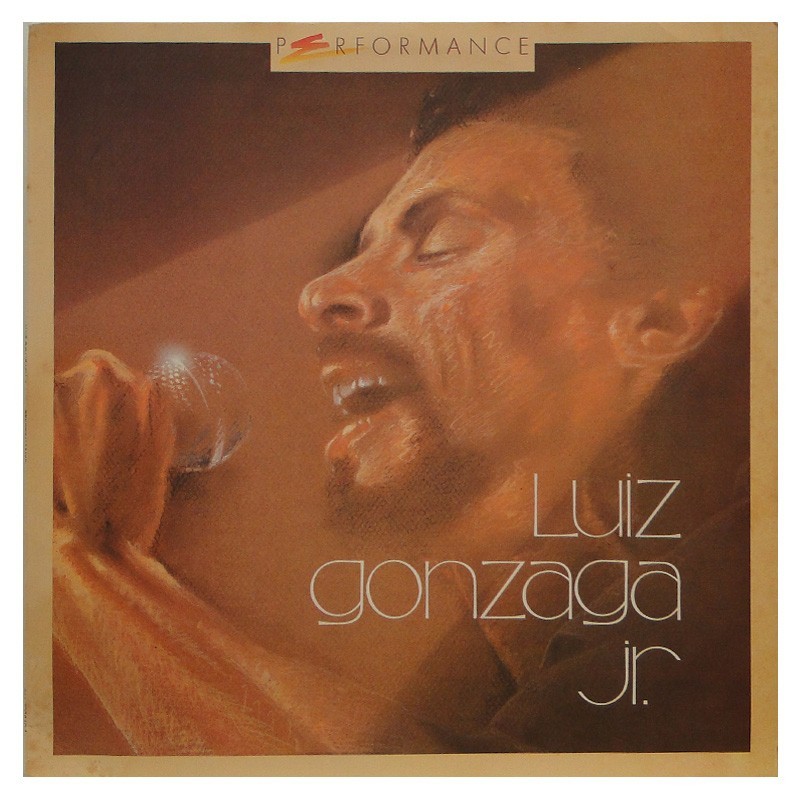
 View Artist