Song Meaning
The narrator declares an unwavering commitment, ready to relive every moment with their love if necessary. The intensity of their affection is palpable, described as a flame that still burns, assuring that nothing experienced together was in vain. This isn't just a casual sentiment; it's a profound affirmation of a connection that transcends time and circumstance.
The lyrics paint a vivid picture of a passionate, perhaps even reckless, embrace of life and love. The mention of a "cuba-libre" suggests a moment of courage or perhaps a loosening of inhibitions, leading to a desire to feel the beloved's body close. The "dama de lilás" introduces a touch of melancholy or pain, yet it only seems to amplify the narrator's yearning for physical closeness and the intensity of feeling.
This deep-seated desire is mirrored in the narrator's relationship with music and memory. They express a willingness to sing all night, just as they have and will continue to do, reflecting on all the experiences they've had, currently possess, and anticipate having. This cyclical nature of experience, from past to present to future, is framed by a steadfast faith in what's to come and the joy found in looking back, specifically at the prospect of reliving it all with their partner.
The final stanza solidifies this sentiment, placing the couple in a grand ballroom, ready to dance to a bolero. The plea to the orchestra for "one more time, to start again" is a powerful image of embracing life's grand performance with their loved one. It's a declaration that even with the potential for pain or the passage of time, the narrator would choose this shared experience, this dance, this life, over and over.
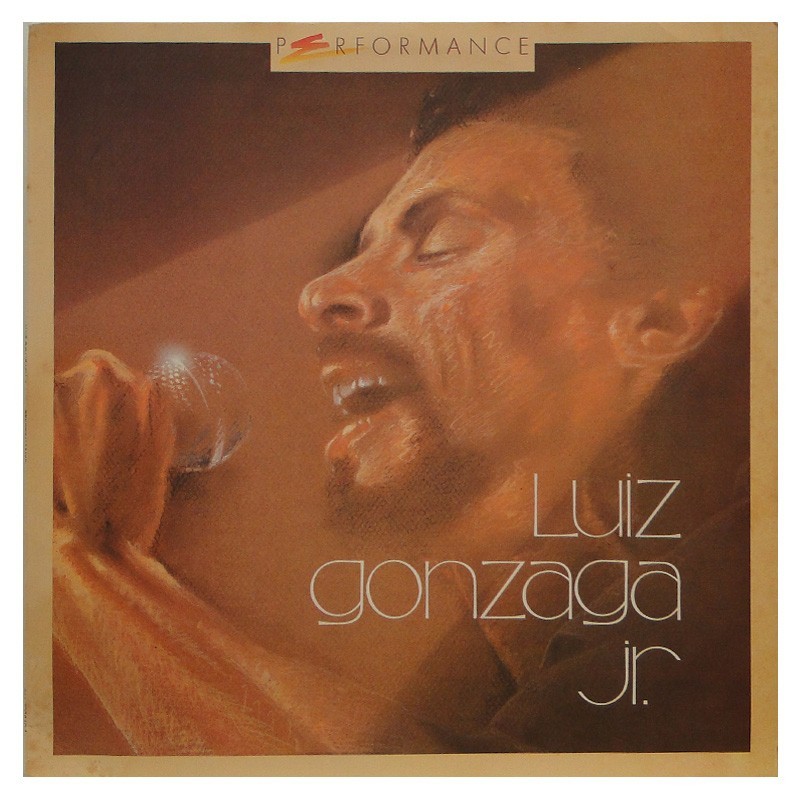
 View Artist