Song Meaning
The lyrics paint a stark picture of the overwhelming forces of urban existence. The repetition of "Inner city life" and "Inner city pressure" immediately establishes a sense of inescapable, grinding reality. This isn't just a backdrop; it's an active force, "taking over me," creating a palpable sense of being consumed by the environment. The narrator feels the weight of this pressure, a constant, heavy presence that defines their daily struggle.
Yet, amidst this suffocating atmosphere, a powerful counter-force emerges: the desire for connection and escape through love. The repeated pleas, "I won't let go," and the yearning "Come to me" reveal a desperate need for solace. This love is presented as the antithesis of the city's grip, a sanctuary where the narrator can finally be "livin' free." The contrast between the oppressive city and the liberating embrace of love is the central tension driving the song.
The most striking aspect is the raw, almost chant-like repetition. It mirrors the cyclical nature of the "inner city pressure" itself, making the listener feel the relentless grind. The shift from the external "pressure" to the internal "I won't let go" highlights a flicker of defiance. The repeated desire to "be your love" acts as a mantra, a hopeful aspiration against the bleakness, suggesting that love is the only perceived escape route from the urban struggle.
This lyrical construction is effective because it grounds an abstract feeling of urban dread in concrete, repeated phrases. The simple, direct language makes the emotional stakes incredibly clear: survival against the city versus finding freedom in love. The narrator's vulnerability, coupled with their fierce, albeit fragile, hold on this hope, makes the plea for connection resonate deeply against the backdrop of overwhelming external forces.
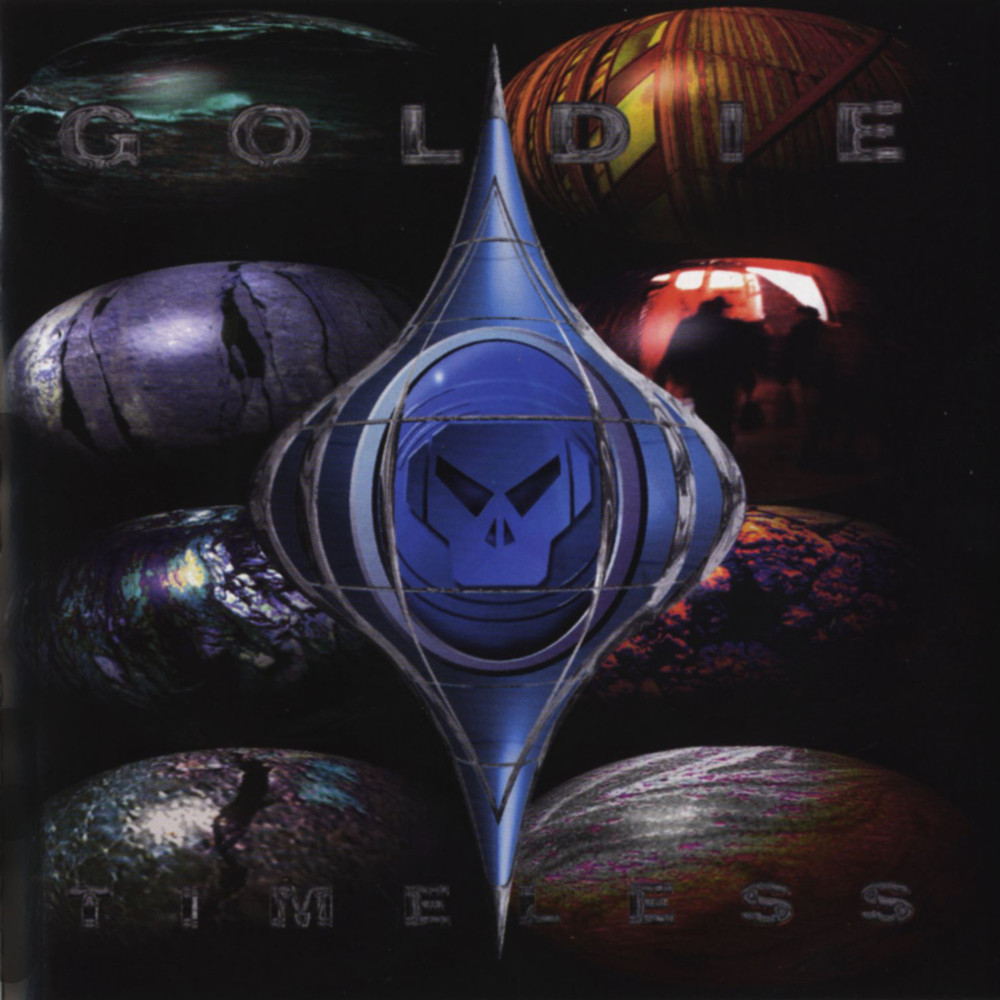
 View Artist