Song Meaning
The lyrics paint a picture of artificiality and a detached, almost clinical observation of it. The opening line, "Only clowns would play with those balloons," immediately sets a tone of absurdity and perhaps a critique of frivolous or dangerous pursuits. This is followed by a pointed question about wanting to look like "Barbie," suggesting a commentary on manufactured appearances and idealized, plastic personas. The repeated phrase "Roasting, roasting, roast indeed, Mahogany" evokes a sense of decay or burning away, juxtaposed with the luxurious image of mahogany, hinting at a superficial beauty that is ultimately consumed or destroyed. The unsettling repetition of "Titties that live on and on and on and on" further emphasizes a grotesque, unnatural persistence, like a distorted ideal that refuses to fade.
The central tension seems to lie in the narrator's perception of a world obsessed with superficiality and artificiality, which they view with a mixture of disdain and morbid fascination. The act of "playing with balloons" and aspiring to be "Barbie" are presented as foolish, clownish behaviors. The narrator's passive observation, "Passive when I'm in record, Day and night I'm watching you," suggests a detached voyeurism, observing these artificial displays without direct engagement but with intense scrutiny. This creates a feeling of unease, as if the narrator is cataloging the decay of genuine expression in favor of manufactured, hollow aesthetics.
The most striking element is the juxtaposition of the absurd and the grotesque with a veneer of luxury or manufactured perfection. The "clowns" and "playing with balloons" are a bizarre image, made more so by the subsequent mention of "Barbie" and the unnerving "Titties that live on and on." The "roasting" and "mahogany" further blend images of destruction and dark opulence. This deliberate clash of imagery creates a disorienting effect, forcing the listener to confront the unsettling nature of idealized, yet ultimately decaying, artificiality. It's a commentary on how easily the artificial can become grotesque when it's pushed to its extreme, or when its inherent flaws are exposed.
Ultimately, the effectiveness of these lyrics stems from their ability to evoke a strong sense of discomfort through sharp, unexpected imagery and repetition. The narrator's detached, almost judgmental gaze on a world of "clowns" and "Barbies" creates a powerful critique of manufactured ideals. The unsettling repetition and the blend of decay with superficial luxury leave a lasting impression, highlighting the hollowness beneath polished surfaces and the absurdity of clinging to unnatural perfection.
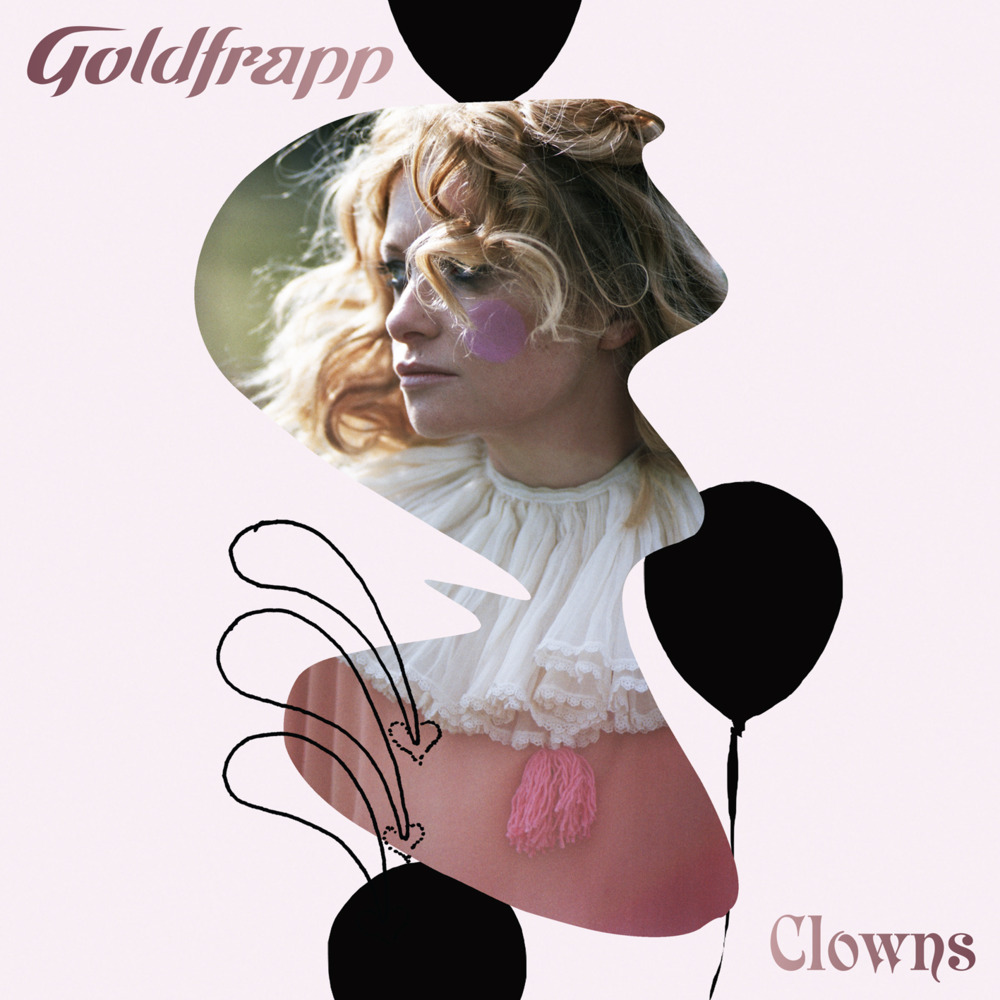
 View Artist