Song Meaning
The narrator finds themselves in a recurring state of solitude, a familiar ache that clashes with their stated desire for independence. The opening lines paint a picture of persistent absence, a void where a presence should be. This isn't a new feeling; they've tried to convince themselves of self-sufficiency, but the repetition of "Here I am alone" underscores the ongoing struggle. The core of the song hinges on this paradox: the need for connection versus the reality of being left behind.
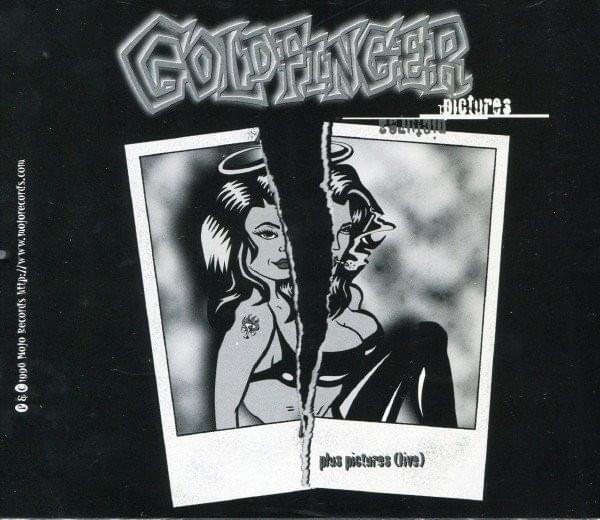
The central tension arises from the narrator's deep-seated longing for tangible proof of another person's existence and affection, specifically a "picture." This isn't just about a photograph; it's a plea for a concrete reminder, something to hold onto when the person is physically absent. The lyrics articulate a profound need to "look at you when you're not there," highlighting the emotional reliance and the pain of that reliance being unmet. It’s a desperate grasp for reassurance in the face of perceived abandonment.
The most striking aspect is the juxtaposition of despair and sudden, almost disbelieving gratitude. After expressing their loneliness, the narrator shifts, finding solace in the mere *idea* of the other person's presence, even if it's only in memory or a photograph. The phrase "I'm so glad you're here" feels like a momentary reprieve, quickly followed by the humbling realization, "I can't believe I deserve you." This emotional whiplash captures the fragility of their hope and the intensity of their need.
Ultimately, these lyrics resonate because they tap into the universal experience of wanting proof of love and presence when facing isolation. The simple, direct language, particularly the repeated refrain about the "picture," makes the narrator's vulnerability palpable. It’s the raw, unvarnished expression of needing something to hold onto, a quiet desperation that feels both specific and deeply familiar.
 View Artist